
Blog
Babybelletje: Complete Guide to Nutrition, Benefits, and Uses

Introduction
Babybelletje is a small, individually wrapped cheese snack that has become increasingly popular among children, adults, and health-conscious consumers alike. In recent years, searches for Babybelletje have grown rapidly due to the rise of snack culture, portion-controlled eating, and demand for convenient, protein-rich foods. As more people look for smarter snack options that are easy to carry and nutritionally balanced, Babybelletje naturally stands out.
Many people searching for Babybelletje have common questions. Is Babybelletje a brand or just a nickname? Is it the same as Mini Babybel? Is it healthy? Is it suitable for kids? Is it processed cheese? These are valid concerns, especially in a world where consumers want transparency about ingredients and health impact. The interest is also rising because of the high-protein snack trend, lunchbox convenience for children, growing preference for clean-label ingredients, and the demand for portable dairy snacks that fit into busy lifestyles.
In this detailed guide, you will learn the exact meaning of Babybelletje, its history and origin, nutritional facts, health benefits, available varieties, how it is made, creative ways to enjoy it, proper storage tips, sustainability efforts, and much more. This article provides everything you need to understand Babybelletje fully and make informed decisions about including it in your diet.
What Is Babybelletje?
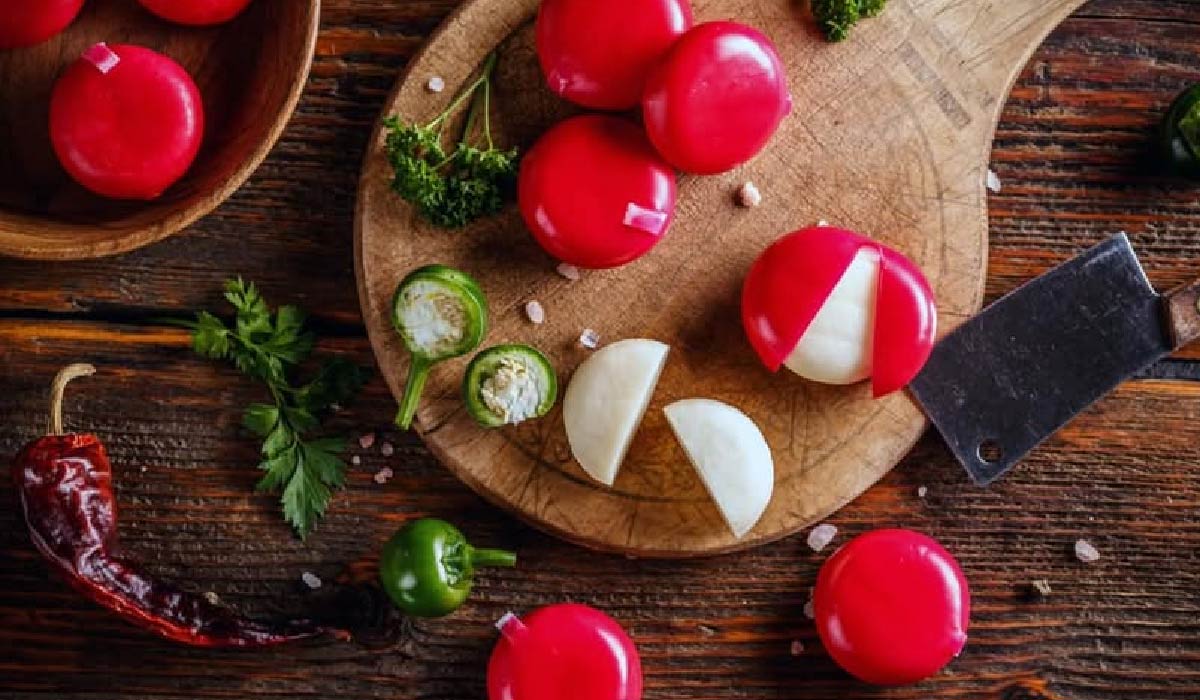
Babybelletje is a small, round, individually wrapped semi-soft cheese snack made primarily from cow’s milk and coated in a distinctive red wax layer for freshness and protection. It is commonly associated with the globally recognized Mini Babybel cheese and is widely consumed as a convenient, portion-controlled dairy snack.
Babybelletje refers to a compact cheese portion that is mild in flavor, creamy in texture, and designed for easy consumption. Its key identifying features include its round shape, bright red wax coating, individual wrapping, and smooth, semi-soft consistency. The wax coating is not edible and must be removed before eating, but it plays an important role in preserving the cheese.
Below is a quick feature overview:
| Feature | Description |
|---|---|
| Type | Semi-soft cheese |
| Milk Source | Cow’s milk |
| Texture | Creamy, smooth |
| Flavor | Mild |
| Packaging | Red wax + plastic |
The red wax outer layer protects the cheese from air exposure and moisture loss, helping maintain freshness and quality. Babybelletje is often included in lunchboxes, snack packs, and charcuterie boards due to its practicality and balanced taste. It is important to remember that the wax coating is not edible and should always be removed before consumption.
History and Origins of Babybelletje
The origins of Babybelletje trace back to France, where small wax-coated cheeses were traditionally produced as early as the mid-20th century. The modern version of Baby Belletje emerged in the 1950s when individually wrapped cheese snacks began gaining popularity among families seeking convenient and hygienic food options. The concept was simple yet innovative: create a high-quality cheese that could be transported easily without compromising freshness.
The iconic red wax coating became one of the defining features of Babybelletje. Originally used as a preservation method, the wax helped protect the cheese from bacteria and dehydration before refrigeration became widespread. Over time, the red wax evolved into a branding symbol that made the product instantly recognizable worldwide.
What Makes Babybelletje Unique?
One of the most distinctive characteristics of Babybelletje is its red wax coating, which serves multiple purposes. It protects the cheese from moisture loss, maintains freshness, and creates a fun, interactive peeling experience that appeals to both children and adults. The wax also contributes to brand identity, making Baby Belletje visually unique compared to other cheese snacks.
Portion control is another major advantage. Each Baby Belletje contains a fixed calorie amount, typically around 70 to 80 calories, which makes it easy for consumers to monitor their intake. This pre-measured serving prevents overeating and supports balanced snacking habits.
The mild universal flavor of Babybelletje is intentionally designed to appeal to a wide audience. It is not overly sharp or strong, which makes it kid-friendly and suitable for people who prefer subtle dairy flavors. Additionally, the smooth and semi-soft texture allows it to be sliced, cubed, or melted easily, adding versatility to its use.
Psychologically, Babybelletje offers nostalgia and engagement. Many people associate it with childhood lunchboxes, and the act of peeling the wax adds an enjoyable tactile element to the experience. This combination of taste, texture, branding, and emotional connection makes Baby Belletje unique in the cheese snack market.
How Babybelletje Is Made (Step-by-Step Production Process)
The production of Babybelletje begins with high-quality cow’s milk sourced from trusted dairy farms. The milk undergoes strict quality testing to ensure safety and consistency. After collection, the milk is pasteurized to eliminate harmful bacteria and stabilize the product.
Next, cultures and rennet are added to the milk to initiate curd formation. This step transforms liquid milk into solid curds and whey. The curds are then carefully cut, stirred, and heated to develop the correct texture and firmness.
The cheese is molded into small circular shapes that give Babybelletje its recognizable round appearance. After molding, salting occurs either directly or through brining to enhance flavor and improve preservation. The cheese then undergoes a brief maturation process to develop its mild taste.
The signature red wax coating is applied after maturation. This wax acts as a moisture seal, protecting the cheese from air exposure and contamination. Finally, each piece is individually wrapped for hygiene and convenience.
| Stage | Purpose |
|---|---|
| Milk Processing | Ensure quality |
| Curd Formation | Develop structure |
| Molding | Shape consistency |
| Wax Coating | Preserve freshness |
This blend of traditional cheese-making techniques and modern packaging technology ensures Baby Belletje remains fresh, safe, and consistent in quality.
Nutritional Value of Babybelletje
Babybelletje offers a balanced nutritional profile that supports its popularity as a smart snack option. Each piece typically contains around 70–80 calories, making it portion-controlled and easy to include in a balanced diet.
| Nutrient | Per Piece (Approx.) | Benefit |
|---|---|---|
| Calories | 70–80 kcal | Energy |
| Protein | 5–6g | Muscle support |
| Fat | 5–6g | Satiety |
| Calcium | High | Bone health |
| Carbs | Very low | Low-carb friendly |
The high protein content makes Babybelletje suitable for high-protein diets and supports muscle repair and satiety. Its very low carbohydrate content makes it compatible with keto and low-carb eating plans. Calcium plays a critical role in maintaining strong bones and teeth, making it especially beneficial for children and older adults.
However, moderation is important because Babybelletje contains saturated fat. When consumed as part of a balanced diet alongside fruits, vegetables, and whole grains, it serves as a nutritious and convenient snack choice.
Different Types of Babybelletjes Available
Babybelletje comes in several variations to meet diverse dietary needs and taste preferences.
| Type | Fat Level | Flavor | Ideal For |
|---|---|---|---|
| Original | Standard | Mild | Everyday snack |
| Light | Reduced fat | Mild | Calorie-conscious |
| Cheddar Style | Standard | Slightly sharper | Flavor lovers |
| Plant-Based | Dairy-free | Vegan option | Lactose-free diets |
The Original version provides the classic creamy taste, while the Light option reduces fat content for calorie-conscious consumers. Cheddar-style varieties offer a slightly stronger flavor for those seeking more intensity. Plant-based options cater to vegan or lactose-intolerant individuals.
Choosing the right version depends on dietary preferences, calorie goals, and flavor expectations.
Is Babybelletje Healthy?
Babybelletje is generally considered healthy when consumed in moderation. It provides high-quality protein, low carbohydrates, and significant calcium without artificial colors.
Pros include high protein content, low carbs, bone-supporting calcium, and portion control. Cons include saturated fat content, dairy presence for lactose-sensitive individuals, and slightly higher cost compared to bulk cheese.
When paired with fiber-rich foods like fruits or whole grains, Baby Belletje becomes part of a balanced and satisfying snack.
Creative Ways to Eat Babybelletje
Babybelletje can be enjoyed in many creative ways beyond eating it straight from the wrapper. For quick snacks, it pairs well with apple slices, almonds, or whole-grain crackers. For lunch ideas, it can be sliced into salads, melted inside sandwiches, or added to wraps for a creamy texture.
For party platters, Babybelletje complements olives, grapes, and cured meats on charcuterie boards. For children, it can be used in lunchbox snacks, cheese skewers, or mini melted bites on toast.
Its versatility makes it adaptable to everyday meals and special occasions alike.
Babybelletje in Modern Snacking Culture
Modern consumers prioritize portion control, protein intake, and convenience. Baby Belletje fits perfectly into on-the-go lifestyles, lunchbox culture, and visually appealing snack presentations shared on social media. Its individually wrapped design supports hygiene and portability, making it ideal for work, school, or travel.
Sustainability and Packaging of Babybelletje
The red wax coating protects freshness but raises environmental questions. Manufacturers are increasingly addressing plastic reduction and responsible dairy sourcing. Consumers today expect eco-conscious practices, and sustainability improvements continue shaping the brand’s future direction.
Common Mistakes When Buying or Storing Babybelletje
Common mistakes include failing to refrigerate, accidentally consuming wax, ignoring expiration dates, exposing to heat, and assuming unlimited consumption is healthy. Best practices include refrigeration, keeping original packaging intact, and consuming within recommended timeframes.
Pros and Cons of Babybelletje
| Pros | Cons |
|---|---|
| Portable | Slightly expensive |
| Portion-controlled | Packaging waste |
| High protein | Limited strong flavors |
| Kid-friendly | Contains dairy |
Babybelletje vs Other Cheese Snacks
| Feature | Babybelletje | String Cheese | Cheese Cubes |
|---|---|---|---|
| Portability | High | Moderate | Low |
| Portion Control | Excellent | Good | Variable |
| Packaging | Individual | Plastic | Bulk |
| Texture | Semi-soft | Stretchy | Firm |
The Future of Babybelletje
Plant-based expansion, health-focused formulations, sustainable packaging innovation, growing protein snack demand, and global market expansion will likely shape the future of Baby Belletje. It continues evolving while maintaining its recognizable identity.
Conclusion
Babybelletje is a small yet impactful cheese snack known for its creamy texture, red wax coating, portion control, and nutritional benefits. Its popularity stems from convenience, balanced nutrition, kid-friendly taste, and adaptability in modern lifestyles. As snack culture evolves toward smarter choices, Babybel remains relevant because it combines taste, portability, simplicity, and smart snacking in one compact form.
Amazing Biography And Celebrity Stories At Good Time Magazine

How Does HARDVOGUE Provide Customized Solutions for Label Materials?

SOKANY Small Appliance Brand Development Trends: A Guide for Distributors

How Smart Hydraulics Are Transforming Aviation Maintenance

Seasonal Digital Marketing: Making the Most of Ramadan and Key Shopping Periods

Seasonal Security: Preparing for Ramadan, Hajj Season, and Peak Periods in Saudi Arabia

How Effective Treasury Management Helps UAE Businesses Manage Cash Flow Risk

Polyimide Flexible PCB Fabrication: The Backbone of Lightweight and Durable Electronics

Communicating Across Cultures in a Diverse Workplace

Pyjamaspapper: Meaning, History and Cozy Lifestyle Guide

Meet Dorothy Bowles Ford: What Happened to Harold Ford Sr.’s Ex-Wife?

Who Is Jan Ashley? The Untold Story Of Robert Kardashian’s Ex-Wife

Who Is Charles Donald Fegert? Shocking Truth About Barbara Eden’s Ex-Husband

Josh Winterhalt: The Private Life of Sarah Wayne Callies’ Husband

Who Is Harlene Rosen? The Untold Story Of Woody Allen’s Ex-Wife

Sharon Mobley Stow: The Private Life Behind Jim Acosta’s Ex-Wife
