
Blog
Eschopper Guide 2026: Electric Chopper Scooter Explained

Introduction
Eschopper is quickly becoming one of the most searched electric mobility terms in 2026, and many people are still confused about what it actually means. Some believe an Eschopper is just another electric scooter, while others think it is a full electric motorcycle. In reality, the Eschopper sits somewhere in between, combining the bold look of a classic chopper bike with modern electric vehicle technology. As cities grow more crowded and fuel prices continue to rise, urban commuters are actively looking for smarter, cleaner, and more stylish transportation alternatives. This growing demand is one of the biggest reasons why search interest in Eschopper continues to climb.
Urban congestion has become a serious challenge in major cities around the world. Long traffic jams, limited parking spaces, and rising environmental concerns are pushing individuals toward electric mobility solutions. The global electric vehicle revolution is not just about cars anymore; it now includes electric bikes, scooters, and innovative designs like the Eschopper. At the same time, sustainability has become a priority for consumers who want to reduce their carbon footprint without sacrificing convenience or personal style. The Eschopper offers a unique balance of eco-friendly performance, affordability, and head-turning design.
In this detailed guide, you will learn exactly what an Eschopper is, how it evolved, the technology inside it, the different types available, ownership costs, maintenance needs, legal regulations, environmental impact, future developments, and answers to frequently asked questions. This article provides a complete and easy-to-understand overview designed to help you make an informed decision in 2026.
What Is an Eschopper?
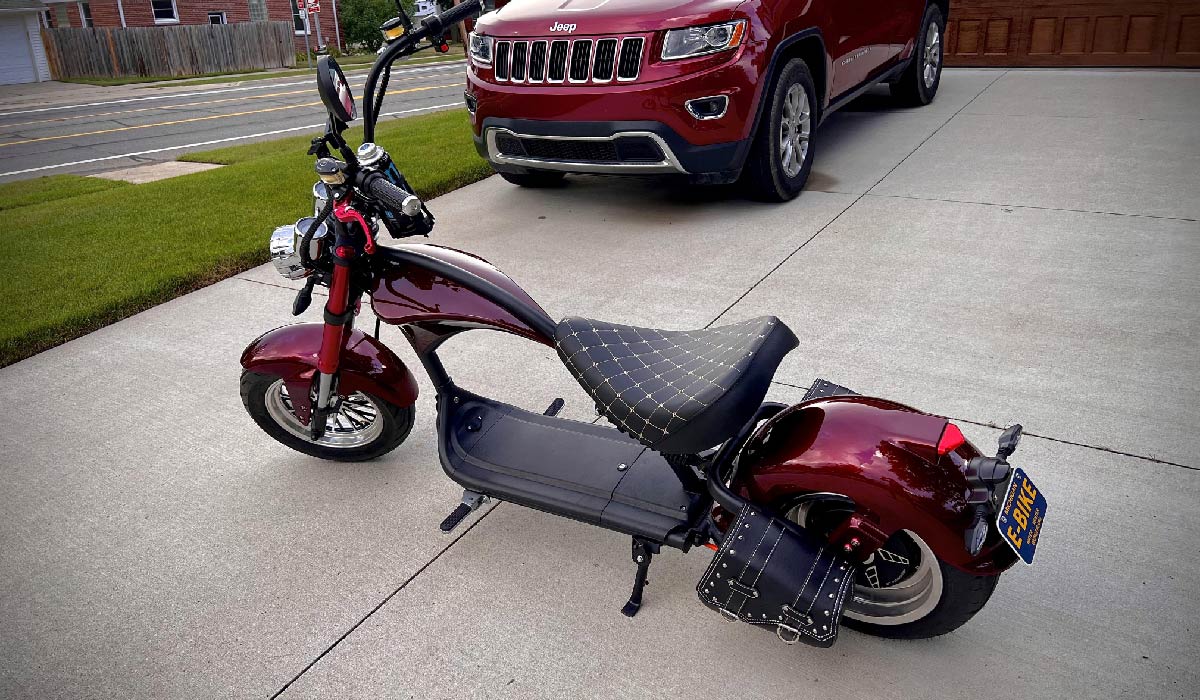
An Eschopper is an electric chopper-style scooter or motorcycle that combines the classic design of traditional chopper bikes with modern battery-powered electric technology. It is designed for eco-friendly urban commuting and stylish personal mobility. Unlike gasoline-powered motorcycles, an Eschopper runs entirely on electricity, producing zero tailpipe emissions and minimal noise while delivering smooth acceleration and modern performance features.
The key design characteristics of an Eschopper include an extended frame, wide handlebars, a low-slung seating position, and often fat tires that provide stability and visual impact. These elements are inspired by classic chopper motorcycles from the 1960s and 1970s, but the internal mechanics are fully electric. Instead of an internal combustion engine, the Eschopper uses an electric motor powered by a rechargeable lithium-ion or LFP battery system.
Within the micromobility ecosystem, the Eschopper fits between a compact standing e-scooter and a full-sized electric motorcycle. It offers more comfort and presence than a small scooter while remaining more affordable and easier to maintain than a high-speed electric motorcycle. Unlike standard e-scooters that are designed for short, upright commuting, the Eschopper emphasizes comfort, relaxed riding posture, and distinctive styling, making it both a practical and lifestyle-oriented transportation solution.
The Origin and Evolution of the Eschopper
Roots in Classic Chopper Motorcycles
The origins of the Eschopper can be traced back to the 1960s custom motorcycle culture in the United States, where riders began modifying standard bikes to create longer frames, extended front forks, and lower seating positions.
These custom motorcycles were called “choppers” because enthusiasts would “chop” unnecessary parts from the frame to achieve a minimalist and rebellious aesthetic. Chopper bikes quickly became symbols of freedom, individuality, and counterculture, influencing motorcycle design for decades. The visual appeal of the stretched frame and relaxed riding style eventually inspired designers to recreate this look in electric form.
Rise of Electric Mobility
As environmental awareness increased in the late twentieth and early twenty-first centuries, electric scooters and electric motorcycles gained popularity as cleaner alternatives to fuel-powered transportation. The rapid development of lithium-ion battery technology made electric mobility more practical by increasing range, reducing weight, and improving charging speed.
Urban sustainability movements further accelerated this shift, as governments introduced incentives and infrastructure to support electric vehicles. The combination of better batteries, efficient motors, and environmental consciousness laid the foundation for innovative designs like the Eschopper.
Transition to Electric Chopper Design
Manufacturers eventually recognized the opportunity to combine the iconic chopper aesthetic with modern electric drivetrains. This transition created the Eschopper, blending retro motorcycle styling with zero-emission technology. Europe and Asia played major roles in popularizing electric chopper-style scooters, particularly in densely populated cities where compact electric vehicles are highly practical. As global interest in stylish and sustainable transportation grew, the Eschopper emerged as a unique niche within the electric mobility market.
How an Eschopper Works (Technical Breakdown)
Electric Motor System
An Eschopper operates using an electric motor that converts electrical energy from the battery into mechanical power. Most models use either a hub motor integrated into the rear wheel or a mid-drive motor positioned near the center of the frame. Hub motors are simpler and require less maintenance, while mid-drive motors can offer better torque distribution and efficiency. Wattage typically ranges from 350W for entry-level commuter models to over 3000W for performance-oriented versions. One of the biggest advantages of electric motors is instant torque delivery, meaning acceleration is smooth and immediate without the need for gear shifting.
Battery Technology
The battery is the core component of the Eschopper. Most modern models use lithium-ion or lithium iron phosphate (LFP) batteries. Lithium-ion batteries are known for high energy density and lightweight design, while LFP batteries offer improved thermal stability and longer lifespan.
Battery capacity is measured in amp-hours (Ah) and voltage, which together determine total energy storage. Charging cycles typically range between 500 and 1500 cycles, depending on battery type and usage patterns. Proper care can extend battery life significantly, making it a reliable long-term investment.
Controller & Performance Management
The controller acts as the brain of the Es chopper, regulating the flow of electricity between the battery and motor. It ensures efficient power delivery and protects the system from overheating or voltage spikes. Many models include multiple riding modes, such as Eco for energy efficiency and Sport for stronger acceleration. Some advanced Eschoppers also feature regenerative braking, which captures kinetic energy during deceleration and feeds it back into the battery to extend range.
Charging System
Charging an Eschopper is typically straightforward and convenient. Most models can be charged using a standard home electrical outlet, with full charging times ranging from four to eight hours. Some models include removable batteries that allow riders to bring the battery indoors for charging, which is particularly useful for apartment dwellers. As charging infrastructure expands globally, public charging options are becoming more accessible.
Key Features of Modern Eschoppers
Modern Eschoppers combine classic design with advanced technology features that enhance safety, comfort, and convenience:
- Low-slung frame for stability and relaxed posture
- Extended handlebars for ergonomic control
- Fat tires for improved traction and shock absorption
- LED lighting for energy efficiency and visibility
- Digital dashboard displaying speed and battery level
- GPS tracking for navigation and security
- Anti-theft alarm systems
- Smart app integration for monitoring performance
- Hydraulic disc brakes for strong stopping power
Types of Eschoppers Available in the Market
Urban commuter Eschoppers are lightweight models designed for short daily trips and efficient city travel. Performance models feature high-wattage motors, extended battery range, and faster speeds for riders seeking stronger acceleration. Touring Eschoppers prioritize comfort with larger seats, upgraded suspension systems, and additional storage features for longer rides. Off-road electric choppers include reinforced suspension and all-terrain tires for adventure enthusiasts who want versatility beyond paved roads.
Eschopper vs Electric Scooter vs Electric Motorcycle
| Feature | Eschop per | Electric Scooter | Electric Motorcycle |
|---|---|---|---|
| Design | Chopper style | Compact | Sport/standard |
| Speed | Medium | Low | High |
| Comfort | Relaxed seating | Standing | Standard motorcycle |
| Range | Moderate | Short | Long |
| License Required | Depends | Usually no | Yes |
Benefits of Using an Eschopper
The environmental benefits of the Es chopper include zero tailpipe emissions, reduced carbon footprint, and significantly lower noise pollution compared to fuel-powered vehicles. Economically, riders benefit from lower fuel costs, minimal maintenance requirements, and no oil changes. Lifestyle advantages include stylish appearance, easy parking in crowded cities, and the ability to navigate traffic with agility.
Performance and Riding Experience
The riding experience of an Eschopper is defined by instant torque, smooth acceleration, silent motor operation, and ergonomic comfort. Fat tires improve stability while advanced suspension systems absorb road imperfections, creating a relaxed and enjoyable commute.
Eschopper Battery Range and Charging Explained
Most Eschopper models offer an average range between 40 and 120 kilometers per charge, depending on battery capacity and riding conditions. Range is influenced by rider weight, terrain incline, temperature, and selected riding mode. Cold weather can temporarily reduce battery efficiency, resulting in a lower range during the winter months. Maintaining proper charging habits and avoiding extreme discharge levels helps extend battery lifespan.
Safety Features and Riding Precautions
Modern Eschoppers include built-in safety features such as dual braking systems, bright LED lighting, reflectors, and, in premium models, anti-lock braking systems. Riders are advised to wear helmets and protective gear, avoid deep water exposure, and regularly check tire pressure to ensure safe operation.
Legal Rules and Regulations for Eschoppers
Licensing requirements vary based on motor power and maximum speed. Lower-speed models under 20 mph may not require registration in some regions, while high-powered models often require a license and insurance. Eschoppers are typically allowed on roads and bike lanes but are prohibited from sidewalks in most areas. Age requirements also differ depending on local regulations.
Maintenance Guide for Eschopper Owners
Regular maintenance includes gentle cleaning with a damp cloth, proper battery storage at moderate charge levels, routine tire pressure checks, brake pad inspection, monitoring controller performance, safe charging practices, and winter storage in a dry environment to protect battery health.
Cost of Owning an Eschopper
Initial purchase costs range from entry-level models to mid-range and premium versions with advanced features. Ongoing costs include electricity for charging, occasional brake pad replacement, tire changes, and eventual battery replacement after several years of use.
Environmental Impact and Sustainability
The Eschopper contributes to reduced urban emissions, improved air quality, and decreased noise pollution. As renewable energy adoption increases, charging electric vehicles becomes even more sustainable, further enhancing the environmental benefits.
Who Should Buy an Eschopper?
Eschoppers are ideal for urban commuters, college students, eco-conscious riders, delivery workers, and leisure riders seeking a stylish and sustainable alternative to traditional transportation.
Future of Eschopper and Electric Urban Mobility
The future of the Eschopper includes integration of artificial intelligence for smarter energy management, development of sodium-ion batteries, potential solar charging solutions, smart city connectivity, and continued growth in the global electric vehicle market.
Common Problems and Troubleshooting
Common issues may include motor startup problems, reduced range, slow charging, controller malfunction, brake wear, or digital error codes. Regular maintenance and proper battery care significantly reduce these risks.
Conclusion
The Eschopper represents a powerful combination of style, sustainability, and practicality. It offers cost savings, environmental benefits, and urban convenience while maintaining a distinctive visual identity inspired by classic chopper culture. Although licensing and initial costs vary, the long-term advantages in maintenance, fuel savings, and environmental impact make the Eschop per a compelling choice in 2026. For riders seeking modern mobility without sacrificing personality or responsibility, the Eschop per stands out as a forward-thinking transportation solution.
Amazing Biography And Celebrity Stories At Good Time Magazine

How Does HARDVOGUE Provide Customized Solutions for Label Materials?

SOKANY Small Appliance Brand Development Trends: A Guide for Distributors
How Smart Hydraulics Are Transforming Aviation Maintenance

Seasonal Digital Marketing: Making the Most of Ramadan and Key Shopping Periods

Seasonal Security: Preparing for Ramadan, Hajj Season, and Peak Periods in Saudi Arabia

How Effective Treasury Management Helps UAE Businesses Manage Cash Flow Risk

Polyimide Flexible PCB Fabrication: The Backbone of Lightweight and Durable Electronics

Communicating Across Cultures in a Diverse Workplace

Pyjamaspapper: Meaning, History and Cozy Lifestyle Guide

Meet Dorothy Bowles Ford: What Happened to Harold Ford Sr.’s Ex-Wife?

Who Is Jan Ashley? The Untold Story Of Robert Kardashian’s Ex-Wife

Who Is Charles Donald Fegert? Shocking Truth About Barbara Eden’s Ex-Husband

Josh Winterhalt: The Private Life of Sarah Wayne Callies’ Husband

Sharon Mobley Stow: The Private Life Behind Jim Acosta’s Ex-Wife

Who Is Harlene Rosen? The Untold Story Of Woody Allen’s Ex-Wife
