
Celebrity
Sodiceram: The Ultimate Durable Ceramic for Modern Homes

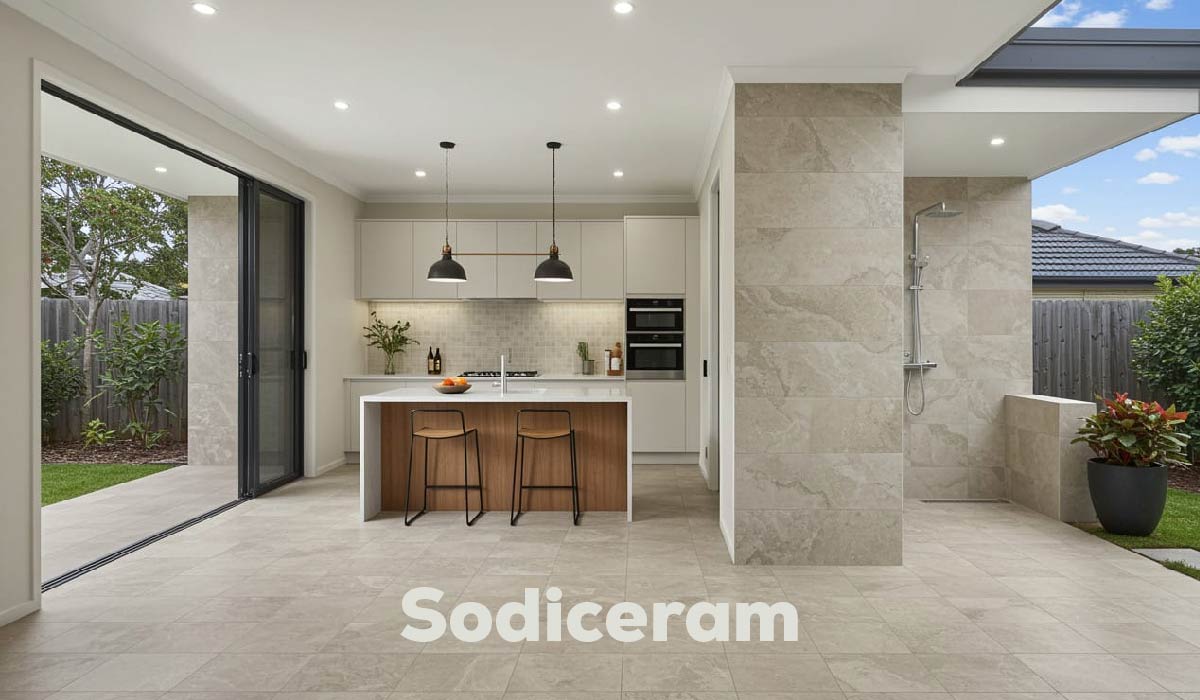
Sodiceram is a new kind of ceramic material that many people are talking about. It is a type of engineered ceramic made to be stronger and more useful than many old‑style ceramics. Builders, designers, and homeowners are showing interest in it because it can work well in many areas of construction and design.
In modern construction, materials must do more than just look good. They need strength, long life, and good resistance to water and heat. Designers also want materials that look nice and give more options for colors and finishes. In technology and industry, new materials that can handle tough conditions are always welcome. This is part of why Sodiceram is gaining attention.
This article will explain what Sodiceram is, how it is made, and what makes it special. You will also learn where it can be used, how to pick the right product, care for it, and how it compares to other types of ceramic. By the end, you will understand why people consider Sodiceram for homes, offices, industry, and more.
What Is Sodiceram?
Sodiceram is a kind of advanced ceramic material. In very simple words, it is a ceramic that includes special sodium‑based components added during manufacturing. These added elements help change how the ceramic behaves in real use.
In ordinary ceramics, basic raw materials like clay, silica, and alumina are mixed and formed into shapes. Then they are fired in a kiln to become hard. Sodiceram follows similar steps, but it uses a specific mix of ingredients and processes to aim for higher strength, lower water absorption, and better overall performance.
The idea behind sodium‑based engineering in ceramics is that the added sodium compounds can help the particles bind more tightly. This can reduce tiny gaps inside the material, making it denser and more resistant to wear. Exactly how each manufacturer does this is often proprietary and not publicly known in full detail. This means different brands may make Sodiceram with slightly different methods.
The main difference between Sodiceram and ordinary ceramics is performance. Normal ceramics are great for many everyday uses like tiles and pottery. Sodiceram is meant to go further. It tries to offer better durability, improved resistance to moisture and heat, and more design flexibility. How much better it performs depends on the exact product.
How Sodiceram Is Made
Sodiceram starts with common ceramic raw materials. These usually include clay, alumina, and silica. To this base mix, manufacturers add sodium‑based compounds. The purpose of these additions is to help the material form stronger bonds when fired.
The manufacturing process begins with mixing. All the raw materials are blended to form a consistent mix. Next comes shaping. The mixed material is formed into the desired shape through pressing, molding, or casting. This gives it a firm structure before firing.
Once shaped, the material goes into a high‑temperature firing process. This is done in a kiln, where heat causes chemical changes that harden the material. In Sodiceram, the presence of sodium compounds may help reduce internal porosity and make the material denser. This step is important for improving strength and resistance.
After firing, the product may be given a surface finish. Some are polished smooth; others may get special textures or colors. Modern production techniques also aim to improve strength and reduce waste during manufacturing. However, exactly how each company refines the process is often not publicly confirmed.
Because of variations in production methods, Sodiceram products can differ in quality, design options, and performance. Always check product details and technical specifications before choosing a specific brand.
Key Features of Sodiceram
Sodiceram has a range of features that many people find valuable for long‑lasting surfaces and structures. Here are the main ones:
Durability and Impact Resistance
One of the strongest points of Sodiceram is its durability. A strong material resists chips, cracks, and scratches better than many ordinary ceramics. This makes it suitable for places with heavy foot traffic or frequent use. In rooms like living areas, kitchens, and hallways, a durable material can save money over time by needing fewer repairs.
Water and Stain Resistance
Sodiceram is designed to have low water absorption. This means water and liquids are less likely to soak into the surface. As a result, it resists stains and moisture‑related problems. This is useful for bathrooms, kitchens, laundry areas, and other spaces where moisture is common.
Heat and Thermal Stability
Like many ceramics, Sodiceram performs well under heat. It can tolerate changes in temperature without cracking or warping. This makes it a reasonable choice for areas near stoves, fireplaces, or outdoor zones where temperature shifts happen often.
Low Porosity and Easy Cleaning
Low porosity means there are fewer tiny holes in the material for dirt and dust to settle. Because of this, Sodiceram is easier to clean. Simple daily sweeping and occasional gentle mopping are usually enough. Less dirt buildup also helps keep indoor air quality better.
Variety of Colors, Textures, and Finishes
Manufacturers often offer Sodiceram in many styles. You can find smooth glossy finishes, soft matte looks, and even textured surfaces. A wide choice of colors and patterns gives designers and homeowners good flexibility. This makes Sodiceram attractive in both modern and traditional spaces.
Applications of Sodiceram
Sodiceram can be used in many areas because of its strength and design options. Below are the main applications.
Residential Uses: Flooring, Walls, Kitchens, Bathrooms
In homes, materials must handle daily use and still stay good‑looking. Sodiceram works well for floors that see steady footsteps, walls that need a clean surface, kitchens where spills happen, and bathrooms where moisture is common. Its resistance to water and impact makes it a solid choice for these areas.
Commercial Spaces: Offices, Shops, Hotels, Restaurants
Business spaces have even more wear and tear than homes. Offices, stores, hotels, and restaurants must stay attractive even with heavy use. Sodiceram offers durability and style, which helps keep these places looking fresh with less frequent repairs.
Industrial Uses: Machinery Parts, High‑Temperature Surfaces
Some industries use ceramic materials in machinery parts or surfaces that must tolerate heat or friction. In these cases, Sodiceram may be chosen for certain industrial parts. Whether it fits an industrial need should be confirmed by technical experts for that specific application.
Advanced Technology: Electronics, Battery Components, Energy Applications
There is interest in ceramic materials for advanced technology uses like electronics and energy devices. Some ceramics show useful electrical or thermal properties. However, specific details about Sodiceram’s role in these sectors are not publicly confirmed for all products. If a manufacturer claims such use, check the technical data.
Outdoor Applications and Considerations
Sodiceram may also be used outdoors, such as on patios, terraces, walkways, and exterior walls. In outside environments, materials must resist sunlight, rain, freeze‑thaw cycles, and other weather conditions. Choose the right product grade for outdoor use and ensure it has proper ratings for water resistance and slip safety.
Advantages of Using Sodiceram
Sodiceram has several clear benefits. These advantages help explain why it is gaining interest across industries.
Long‑Lasting Material and Low Maintenance
Because Sodiceram is made to resist wear and moisture, it tends to need fewer repairs and replacements. A long‑lasting material can reduce maintenance work and costs over time.
Ability to Withstand Daily Wear and Environmental Stress
Since it resists cracks, stains, and moisture, Sodiceram performs well under daily stress. It is suitable for busy homes, commercial spaces, and areas where water or heat exposure is present.
Design Flexibility for Modern Interiors and Exteriors
Designers and homeowners appreciate materials that look good and match their style. Sodiceram comes in many finishes and looks, giving more design freedom. Whether a space is minimal, bold, or classic, there are options that can fit.
Contribution to Sustainability (Less Replacement, Durable Resources)
A durable material that lasts longer can help reduce waste and the need for frequent replacements. This is not a formal environmental certification, but it can help reduce resource use over time when compared to materials that break down sooner.
Limitations and Considerations
Sodiceram has many good points, but there are also areas to think about before choosing it.
Higher Initial Cost Than Standard Ceramic
Sodiceram products may cost more at first than ordinary ceramic tiles or materials. This is because of their advanced manufacturing and added components. It is important to consider the long‑term value, not just the upfront price.
Importance of Correct Installation and Surface Preparation
Even a good material can fail if installed poorly. The base surface must be clean, flat, and dry. The right adhesive and grout must be used. If installation steps are skipped, it can cause cracks, lifting, or other problems.
Choosing the Right Grade for Specific Use (Flooring vs Wall Panels)
Not all Sodiceram products are made for every application. Some are meant for walls, others for floors, and others for outdoor use. Choosing the wrong type can reduce performance. Always check manufacturer recommendations.
How to Select the Right Sodiceram Product
Choosing the best Sodiceram product involves careful thought. Here are key things to check:
Evaluate Use Area and Traffic Level
Think about where the material will go and how much traffic it will see. High‑traffic floors have different needs from bathroom walls. Match the product strength to the location.
Surface Finish and Aesthetics
Decide what finish you want. Glossy surfaces can make a space feel brighter, while matte finishes look soft and modern. Textured finishes can add grip in wet areas outdoors.
Water and Slip Resistance Ratings
For bathrooms, kitchens, and outdoor areas, check water and slip resistance ratings. These ratings help ensure safety and durability.
Comparing Quality, Price, and Warranty
Compare products based on their build quality, price, and warranty. A good warranty shows the maker’s confidence and can protect you if issues arise.
Consulting Manufacturer Specifications for Best Fit
Technical details from the manufacturer tell you exactly what a product can handle. Read these specifications carefully before deciding.
Installation Tips for Sodiceram
Proper installation makes a big difference in how well Sodiceram performs over the years.
Preparing the Base Surface Properly
The surface must be level, clean, and free of dust or moisture. This helps tiles or panels bond well with the adhesive.
Correct Adhesive, Spacing, and Grouting
Use the adhesive and grout recommended by the product maker. Proper spacing ensures even grout lines and better moisture resistance.
Professional Installation vs DIY
For large or complex areas, professional installation may be a safer choice. Experienced installers reduce the risk of mistakes that can shorten the life of the material.
Importance of Following Manufacturer Guidelines
Each product can have unique requirements. Always follow the instructions that come with the product to get the best results.
Maintenance and Care
Taking care of Sodiceram is generally simple. Good cleaning and small precautions help it last.
Regular Cleaning Routines (Sweeping, Mopping, Wiping Spills)
Sweep or vacuum dust often. Mop with clean water and gentle cleaner when needed. Wiping spills quickly helps avoid stains.
Avoiding Harsh Chemicals or Abrasive Tools
Do not use strong acids or rough scrubbers unless the product guide allows them. Harsh tools can scratch or dull the surface.
Caring for Grout and Joints
Grout can collect dirt over time. Clean grout lines gently and consider sealing them if recommended. Good grout care helps maintain the overall look.
Tips for Maintaining Long‑Term Appearance
Use mats in entryways to reduce dirt. Avoid dragging heavy furniture across the surface. These tiny habits help keep Sodiceram looking good for years.
Sodiceram vs Traditional Ceramics
Here is a simple comparison to help you understand the differences:
| Feature | Sodiceram | Traditional Ceramic |
|---|---|---|
| Strength | Often higher | Good for normal use |
| Water Resistance | Usually better | Varies by product |
| Heat Stability | High | High |
| Design Options | Many modern styles | Many classic styles |
| Maintenance | Easy | Easy |
| Cost | Often higher | Often lower |
| Long‑Term Value | Stronger if used right | Good if used right |
When Traditional Ceramics May Still Be Suitable
Traditional ceramic is still a good choice in many projects. It is often cheaper and works well for low‑traffic areas, simple walls, and budget projects. It may be enough for homes that do not face heavy wear.
Choosing Based on Application, Durability, and Budget
Your choice should balance how the space is used, how long you want it to last, and what you can spend. Both Sodiceram and traditional ceramics can be good choices in the right situations.
Design Possibilities With Sodiceram
Sodiceram is not only strong but can also be part of a beautiful design.
Minimalist and Modern Interior Designs
In minimalist spaces, clean lines and simple colors help create calm rooms. Sodiceram’s smooth finishes fit well in this style.
Bold and Decorative Accents
For people who like bold looks, patterned or colorful Sodiceram can make strong design statements on feature walls or floors.
Ability to Mimic Natural Materials Like Wood, Stone, or Marble
Some Sodiceram products are made to look like wood, stone, or marble. This gives the look of natural materials without heavy maintenance.
Combining Functionality With Aesthetics
Good design is not just about looks but also usability. Sodiceram lets you have both: attractive design and practical performance.
Sustainability and Environmental Impact
Many people today care about the environment. Sodiceram has some aspects that may help.
Energy‑Efficient Production Methods
Some makers use energy‑saving methods in production, but details are not publicly confirmed for all brands. Always check manufacturer information.
Long Product Lifespan Reduces Waste
A longer‑lasting material means fewer replacements over time. This helps lower waste and reduces the need for new materials.
Recyclable and Eco‑Friendly Materials Where Applicable
Ceramics can be recycled. Ask your supplier if their product is recyclable or includes recycled content.
Emerging Trends and Future of Sodiceram
New Manufacturing Techniques for Better Performance
Materials science continues to advance. New techniques may make ceramics even stronger and more efficient. Not all developments are publicly shared yet.
Potential Applications in Renewable Energy and Smart Technologies
Some research looks at ceramics in energy, sensors, and smart systems. Whether Sodiceram will play a big role in these fields is not publicly known for all products, but it is an area of interest.
How Demand Is Evolving in Homes, Commercial, and Industrial Sectors
As people want materials that last and look good, interest in strong ceramics continues to grow. Builders and designers are always exploring new ways to use advanced materials.
Conclusion
Sodiceram is a modern ceramic material aimed at offering more strength, water resistance, and design options than many traditional ceramics. It is used in residential spaces, commercial buildings, and some industrial areas. Its long life and easy maintenance are key benefits, though the initial cost may be higher.
Choosing the right product and installing it correctly makes a big difference in performance. Sodiceram gives designers and homeowners more choices for style and durability. If you need a material that balances beauty and long‑lasting performance, Sodiceram is worth considering for your next project.
(FAQs)
What is Sodiceram in simple words?
Sodiceram is a type of advanced ceramic material that includes sodium‑based compounds. These compounds make it stronger, more durable, water‑resistant, and heat‑resistant than regular ceramic. It is used for floors, walls, kitchens, bathrooms, and even some industrial applications.
How is Sodiceram different from regular ceramic?
Unlike traditional ceramics, Sodiceram has added sodium compounds that make it denser and tougher. It absorbs less water, resists heat and scratches, and often lasts longer. This makes it suitable for high-traffic areas and outdoor use where normal ceramic may not perform well.
Where can Sodiceram be used?
Sodiceram can be used in homes, offices, shops, hotels, and restaurants. It works for floors, walls, countertops, bathrooms, kitchens, and outdoor patios. Some advanced grades may also be used in industrial equipment or technology applications, but exact industrial uses depend on the product.
Is Sodiceram easy to clean and maintain?
Yes, Sodiceram is usually easy to clean. You can sweep, mop with a mild cleaner, and wipe spills quickly. Its low porosity helps prevent stains and moisture damage. Avoid harsh chemicals or rough scrubbers to keep the surface looking new.
Is Sodiceram worth buying for my home or office?
Sodiceram is worth it if you want a strong, long-lasting, and low-maintenance material. It offers modern designs, durability, and water resistance. Choosing the right product and installing it properly will ensure it lasts for many years, giving good long-term value.
Amazing Biography And Celebrity Stories At Good Time Magazine

How Does HARDVOGUE Provide Customized Solutions for Label Materials?

SOKANY Small Appliance Brand Development Trends: A Guide for Distributors

How Smart Hydraulics Are Transforming Aviation Maintenance

Seasonal Digital Marketing: Making the Most of Ramadan and Key Shopping Periods

Seasonal Security: Preparing for Ramadan, Hajj Season, and Peak Periods in Saudi Arabia

How Effective Treasury Management Helps UAE Businesses Manage Cash Flow Risk

Polyimide Flexible PCB Fabrication: The Backbone of Lightweight and Durable Electronics

Communicating Across Cultures in a Diverse Workplace

Pyjamaspapper: Meaning, History and Cozy Lifestyle Guide

Who Is Jan Ashley? The Untold Story Of Robert Kardashian’s Ex-Wife

Who Is Charles Donald Fegert? Shocking Truth About Barbara Eden’s Ex-Husband

Meet Dorothy Bowles Ford: What Happened to Harold Ford Sr.’s Ex-Wife?

Josh Winterhalt: The Private Life of Sarah Wayne Callies’ Husband

Who Is Harlene Rosen? The Untold Story Of Woody Allen’s Ex-Wife

Sharon Mobley Stow: The Private Life Behind Jim Acosta’s Ex-Wife
