
Blog
Pyntekvister Guide: Simple & Powerful Natural Decor Idea for Your Home

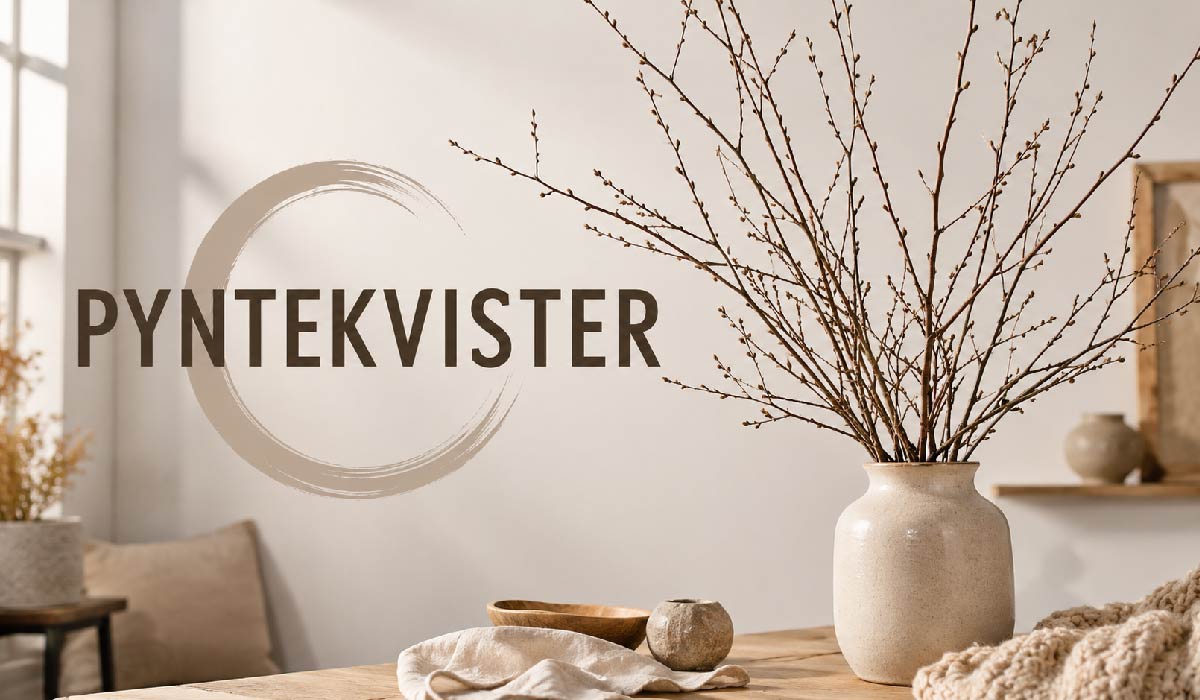
What Is Pyntekvister?
Pyntekvister is a Scandinavian decor idea that uses decorative branches and twigs inside the home to create a simple and natural look. The word comes from Norwegian and Danish, where “pynte” means to decorate and “kvister” means branches. It focuses on minimalism, nature, and calm indoor styling. Pyntekvister is a Scandinavian decor concept that uses natural branches and twigs as simple, eco-friendly decorations to bring texture, calmness, and seasonal beauty into indoor spaces.”
Introduction
Pyntekvister is becoming more popular in 2026 as more people search for simple and meaningful ways to decorate their homes. Many homeowners are now moving away from heavy and artificial decor and looking for something calm, natural, and easy to maintain. This shift has increased interest in Scandinavian home design, which is known for its clean look and peaceful feeling. Minimalism and sustainability are two major trends, and pyntekvister fits perfectly into both of them.
In a world of overdesigned spaces, people are turning back to simplicity. Natural branches bring a soft and organic touch that modern interiors often lack. They are not only beautiful but also help create a relaxed atmosphere. The idea of bringing nature indoors also has a strong emotional appeal, as it helps people feel more connected to their surroundings. Instead of buying expensive items, people now prefer using what nature already offers.
Pyntekvister is not just about decoration, but about creating a space that feels calm and balanced. In this guide, we will explore the meaning, origin, uses, benefits, and creative ideas of pyntekvister.
The Meaning and Origin of Pyntekvister
The word pyntekvister is made up of two simple parts. “Pynte” means to decorate, and “kvister” means small branches or twigs. Together, the word describes the use of branches as decorative elements inside the home. This idea comes from Scandinavian countries like Norway and Denmark, where people have a long tradition of using natural materials in their living spaces.
In the past, people used branches not only for decoration but also as a way to stay connected with the changing seasons. During winter, bare branches were often placed indoors and sometimes painted or decorated. In spring, people would bring in fresh branches and place them in water to watch them bloom. During holidays like Easter, branches were decorated with small ornaments. These traditions made homes feel alive and connected to nature.
Pyntekvister reflects a deep cultural value of living with nature instead of against it. It shows how simple natural elements can bring beauty and meaning into everyday life. Even today, this tradition continues as a modern decor style that blends history with simplicity.
Why Pyntekvister Works So Well in Modern Interiors
Pyntekvister works very well in modern homes because it adds beauty without creating clutter. A simple branch can add height and structure to a room without making it feel crowded. This is especially useful in spaces where furniture already has straight lines and sharp edges. The natural curves of branches create a soft contrast that feels balanced and pleasing to the eye.
Another important feature is how branches interact with light. As sunlight moves during the day, the shadows of branches change, adding depth and movement to the room. This natural effect cannot be easily created with artificial decor. It makes the space feel more dynamic and alive.
The psychological effect of pyntekvister is also very strong. Natural elements help create a calm and relaxing environment. They reduce stress and improve focus, which is especially helpful in workspaces or study areas. Even a small arrangement can make a room feel more welcoming and peaceful. This is why many people are now choosing pyntek vister as part of their daily living spaces.
Key Elements of Pyntekvister Design
Pyntekvister design is based on a few simple but powerful ideas. The first is the use of natural materials such as twigs, branches, and dried stems. These materials bring a raw and organic feeling into the home, which is different from factory-made decor. Each branch is unique, which makes every arrangement special.
Minimalism is another important element. Instead of filling a space with many items, Pyntek vister focuses on using fewer pieces with more impact. A single branch placed correctly can create a strong visual effect. This helps keep the space clean and uncluttered.
Balance and space also play a key role. Empty space is not seen as something to fill, but as part of the design. The area around the branches allows them to stand out and breathe. Seasonal flexibility is another strength of this style. The same arrangement can be changed throughout the year by using different types of branches or small additions.
Types of Branches Used in Pyntekvister
Different types of branches create different looks and feelings. Birch branches are one of the most popular choices because of their light color and elegant appearance. They are perfect for creating a clean and minimal look. Willow branches are more flexible and curved, which makes them ideal for artistic and flowing designs.
Hazel branches have a twisted and rustic shape that adds character to a room. They work well in spaces that have a natural or earthy theme. Cherry and apple branches are special because they can bloom indoors when placed in water. This brings color and life into the home, especially during early spring.
Eucalyptus and olive branches are also commonly used because of their soft texture and subtle color. They add a gentle and calming effect to the arrangement. The most important thing to remember is that the shape of the branch matters more than the type. If the branch has an interesting form, it can become a beautiful decorative piece.
How to Create Pyntekvister at Home (Step-by-Step)
Creating pyntekvister at home is simple and does not require special skills. The first step is to find branches. These can come from your garden, a nearby park, or even fallen branches on a path. Choose branches that have interesting shapes or lines.
Once you bring them home, clean them gently to remove dust or dirt. Let them dry completely before using them indoors. After that, trim the branches to a size that fits your space and your container. The next step is to choose a vase or container. This can be a glass vase, ceramic jug, or even a simple bottle.
Naturally arrange the branches. Do not try to make them perfect. The beauty of pyntekvister lies in its natural and slightly imperfect look. Place the arrangement in a spot where it can be seen clearly, such as near a window or in a corner. Let the branches sit for a day before changing anything, as sometimes they already look perfect.
Creative Pyntekvister Ideas for Home Decor
Pyntekvister can be used in many creative ways to decorate a home. One of the most common uses is a vase arrangement placed on a dining table or in a living room. This creates a simple but elegant focal point. Another idea is to use branches as wall art by hanging them with thread and adding small decorative items.
Branches can also be used for ceiling displays by hanging them horizontally and attaching lightweight objects such as dried flowers or paper art. In corners, tall branches can fill empty spaces without blocking light, making the room feel complete.
Seasonal decoration is another popular idea. During winter, branches can be decorated with lights or ornaments. In spring, fresh branches can be used for a lively look. These ideas show how flexible and creative pyntekvister can be.
Where to Use Pyntekvister in Your Home
Pyntekvister can be placed in almost any part of the home. In the living room, it can act as a focal point that draws attention. On the dining table, it creates a simple and elegant centerpiece. In hallways or entry areas, it becomes the first thing guests notice.
In bedrooms, pyrotechnics help create a calm and relaxing atmosphere. It adds softness without making the space feel busy. In workspaces, it improves focus by adding a natural element that is not distracting. Even small spaces like shelves or windowsills can benefit from a single branch.
Benefits of Pyntekvister
One of the biggest benefits of pyntekvister is that it is eco-friendly and sustainable. It uses natural materials that do not harm the environment. It is also very low cost, as most branches can be found for free.
Pyntekvister is easy to customize according to personal taste. It can be simple or detailed, depending on what you prefer. Dried branches can last for a long time, making them a durable option. Another advantage is that it fits into almost any interior style, from modern to rustic.
Pyntekvister and Sustainable Living
Pyntekvister supports sustainable living by reducing the need for artificial decorations. Instead of buying plastic items, people can use natural materials that are easily available. This reduces waste and lowers environmental impact.
Branches can also be reused in different ways. After some time, they can be replaced or even composted. This makes pyntekvister a responsible choice for people who care about the environment. It also encourages a lifestyle that values simplicity and natural beauty.
Seasonal Pyntekvister Ideas (Year-Round Decor)
Pyntekvister changes beautifully with the seasons. In spring, fresh branches with buds or flowers bring life into the home. Summer arrangements are light and airy, often using thin and simple branches. In autumn, dry leaves and warm tones create a cozy feeling.
Winter is perfect for bare branches, which can be decorated with lights or small ornaments. These seasonal changes keep the decor fresh without needing to buy new items. It allows the home to reflect the natural world outside.
DIY Pyntekvister Projects for Beginners
Pyntekvister is perfect for simple DIY projects. Branches can be painted in colors like white, gold, or black to match different interior styles. Hanging displays can be created by attaching branches to the wall and using them to hold photos or artwork.
A table centerpiece can be made by placing branches in a low container with stones for support. Even a small shelf can be decorated with a single branch for a minimal look. The focus is not on perfection but on creativity and personal expression.
How to Take Care of Pyntekvister
Taking care of pyntekvister is very easy. Dried branches only need occasional dusting to keep them clean. They should be kept away from moisture to prevent damage. Fresh branches should not be placed in direct sunlight, as this can make them dry quickly.
If fresh branches are used, they can be replaced when they lose their freshness. A sealer spray can be applied to painted branches to make them last longer. These simple steps help maintain their beauty for a long time.
Common Mistakes to Avoid
One common mistake is overcrowding branches, which can make the arrangement look messy. Using too many decorations can also take away the natural beauty. Choosing the wrong size vase can affect the balance of the arrangement.
Ignoring empty space is another mistake. Pyntekvister works best when there is enough space around it. Trying to make the arrangement perfect can also reduce its natural charm. It is better to keep it simple and natural.
Pyntekvister vs Artificial Home Decor
Pyntekvister offers a natural alternative to artificial decor. While plastic decorations are often mass-produced, branches are unique and one of a kind. Natural decor creates a calm and soft look, while artificial items can feel heavy and overwhelming.
Pyntekvister is also more eco-friendly, as it does not rely on factory production. It creates a connection with nature that artificial decor cannot provide. This makes it a better choice for people who want a peaceful and meaningful home.
Why Pyntekvister Is More Than Just Decoration
Pyntekvister is more than decoration because it connects people with nature. It encourages mindful living by focusing on simple and meaningful choices. It also allows creative expression, as each arrangement reflects personal taste.
There is also an emotional side to it. Natural elements can bring comfort and remind people of outdoor experiences. This makes pyntekvister not just a design choice, but a way of living.
Future of Pyntekvister in Interior Design
The future of pyntekvister looks strong as more people move toward minimal and sustainable lifestyles. The demand for eco-friendly decor is increasing, and pyntekvister fits perfectly into this trend.
DIY decor is also becoming more popular, and Pinterest allows people to create their own designs easily. Its simplicity and flexibility make it a long-term choice rather than a temporary trend. It is likely to remain a key part of modern interior design.
Conclusion
Pyntekvister is a simple and natural way to decorate any home. It does not require expensive materials or complicated designs. It works in all types of spaces and encourages creativity. Most importantly, it brings a sense of calm and balance that many modern homes need.
(FAQs)
What is Pyntekvister in simple words?
Pyntekvister means using decorative branches or twigs inside the home to create a simple, natural, and beautiful look. It is a Scandinavian style of eco-friendly home decor.
Why are people searching for Pyntekvister on Google?
People are searching for Pyntekvister because they want simple, low-cost, and natural home decor ideas that match modern minimal and eco-friendly lifestyles.
Is Pyntekvister expensive to create?
No, Pyntekvister is very affordable because you can use free branches from your garden or outdoor areas, making it a budget-friendly decor option.
Can I use any branches for Pyntekvister?
Yes, you can use almost any branches, but choose ones with interesting shapes and clean texture to create a better visual effect.
Where should I place Pyntekvister in my home?
You can place Pyntekvister in the living room, dining table, hallway, bedroom, or workspace to add a calm and natural touch to your space.
Read Also: Speciering Explained: Powerful Guide to How New Species Form

How Does HARDVOGUE Provide Customized Solutions for Label Materials?

SOKANY Small Appliance Brand Development Trends: A Guide for Distributors

How Smart Hydraulics Are Transforming Aviation Maintenance

Seasonal Digital Marketing: Making the Most of Ramadan and Key Shopping Periods

Seasonal Security: Preparing for Ramadan, Hajj Season, and Peak Periods in Saudi Arabia

How Effective Treasury Management Helps UAE Businesses Manage Cash Flow Risk

Polyimide Flexible PCB Fabrication: The Backbone of Lightweight and Durable Electronics

Communicating Across Cultures in a Diverse Workplace

Pyjamaspapper: Meaning, History and Cozy Lifestyle Guide

Meet Dorothy Bowles Ford: What Happened to Harold Ford Sr.’s Ex-Wife?

Who Is Jan Ashley? The Untold Story Of Robert Kardashian’s Ex-Wife

Who Is Charles Donald Fegert? Shocking Truth About Barbara Eden’s Ex-Husband

Josh Winterhalt: The Private Life of Sarah Wayne Callies’ Husband

Sharon Mobley Stow: The Private Life Behind Jim Acosta’s Ex-Wife

Who Is Harlene Rosen? The Untold Story Of Woody Allen’s Ex-Wife
