
Blog
Chromtex Explained: Powerful Benefits That Make Materials Stronger and Smarter

What Is Chromtex?
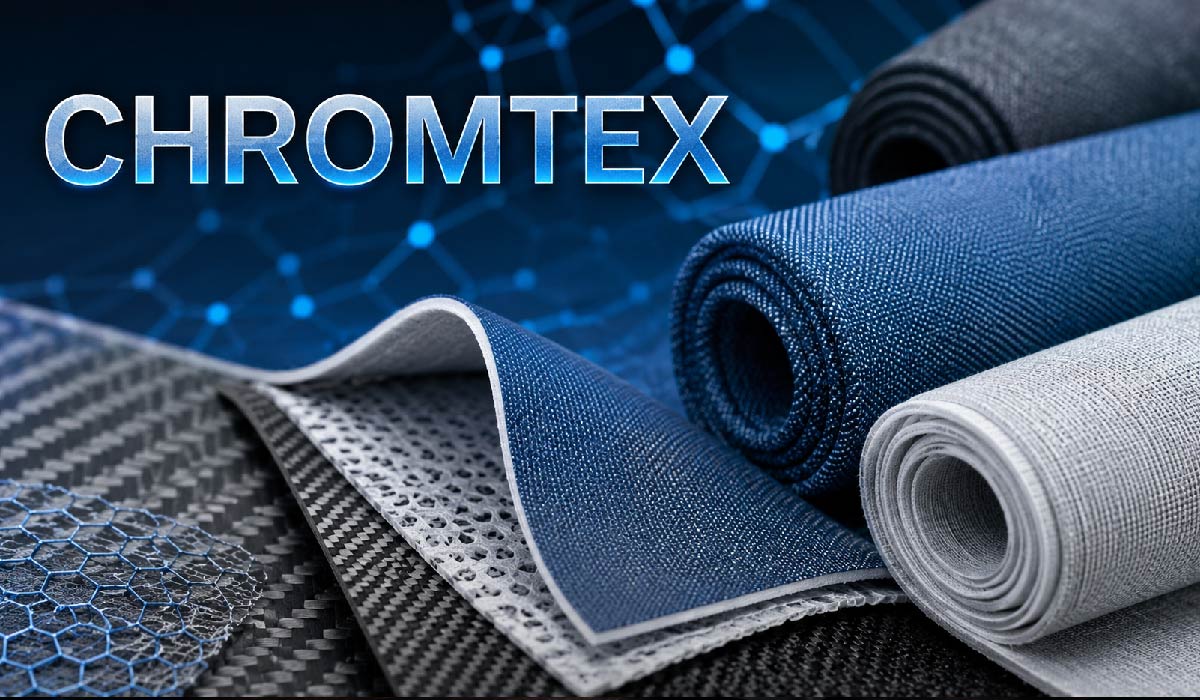
Chromtex is an advanced material and textile processing system designed to improve strength, flexibility, and durability in fabrics and industrial materials. It combines engineered structures and modern processing methods to enhance performance, making materials more resistant to stress, heat, and long-term wear in different applications.
Introduction
In today’s fast-moving world, materials are expected to do more than ever before. People want fabrics that last longer, machines that perform better, and products that can handle daily stress without failing. Traditional materials often struggle to meet these expectations. They may fade, tear, or lose their strength over time. This is why new solutions like Chromtex are becoming important in 2026.
Chromtex is not just a simple material. It is a complete system that improves how materials are made and how they perform. It helps create fabrics and components that are stronger, more flexible, and more reliable. Many industries, including textiles, engineering, and manufacturing, are now using Chromtex to improve their products.
Another reason for its growing popularity is its ability to support modern production systems. As factories become more advanced and automated, they need materials that can keep up with these changes. Chromtex fits perfectly into this new environment. In this article, you will learn everything about Chromtex, including how it works, why it matters, and how it is shaping the future of materials.
The Core Concept Behind Chromtex
The core idea behind Chromtex is simple but powerful. It focuses on improving material performance by combining smart design and advanced processing. Instead of relying only on basic fibers or raw materials, Chromtex enhances them through controlled treatment and engineering methods.
At its heart, Chromtex works as a system rather than a single product. It includes materials, processes, and techniques that work together to create better results. This system ensures that materials are not only strong but also flexible and long-lasting. It also helps maintain consistency, which is very important in large-scale production.
Another important aspect of Chromtex is its adaptability. It can be used in different industries and for different purposes. Whether it is fabric for clothing or materials for industrial use, Chromtex can be adjusted to meet specific needs. This flexibility makes it a valuable solution in modern manufacturing.
Chromtex Material Structure and Engineering Design
The structure of Chromtex is based on advanced engineering techniques that focus on balance. Materials need to be strong, but they also need to be flexible. Chromtex achieves this by using layered designs and controlled processing methods.
These layers work together to distribute stress evenly across the material. Instead of pressure focusing on one weak point, it spreads across the surface. This reduces the chances of damage and increases the lifespan of the material. It also helps maintain shape and stability under different conditions.
Another important part of the design is resistance to wear and environmental factors. Chromtex materials are built to handle heat, moisture, and repeated use. This makes them suitable for both everyday products and heavy-duty applications. The combination of structure and design ensures reliable performance in many situations.
How Chromtex Works Step-by-Step in Real Use
Chromtex works through a series of carefully controlled steps. Each step plays a role in improving the final quality of the material. The process usually begins with preparation, where the base material is cleaned and made ready for treatment. This step is important because it removes impurities that can affect performance.
The next stage involves processing. During this phase, the material is treated to improve strength, flexibility, and consistency. This may include applying special compounds or using advanced techniques to enhance the structure of the material. The goal is to create a balanced and stable result.
The final stage is finishing. In this step, the material is refined to achieve the desired feel, appearance, and durability. It may become softer, stronger, or more resistant to environmental conditions. By the end of the process, the material is ready for use in different applications. Each step works together to ensure high performance and reliability.
Key Features and Properties of Chromtex
Chromtex offers several important features that make it valuable in modern industries. One of its main properties is high durability. Materials made with Chromtex are designed to last longer and resist damage from daily use. This makes them more reliable compared to traditional options.
Another key feature is flexibility. Chromtex materials can adapt to different shapes and uses without losing strength. This balance between flexibility and durability is one of its biggest advantages. It allows materials to perform well in both simple and complex applications.
Thermal stability is also an important property. Chromtex performs well under both high and low temperatures. This makes it suitable for environments where conditions can change quickly. In addition, it offers resistance to moisture and other environmental factors, which helps maintain quality over time.
Chromtex in Textile Industry – A Complete Breakdown
In the textile industry, Chromtex plays a major role in improving fabric quality. It is used during different stages of fabric production to ensure better results. One of its main functions is helping fabrics absorb color evenly. This leads to brighter and more consistent colors.
Chromtex also improves the feel of fabrics. It makes them softer and more comfortable to wear. At the same time, it strengthens the fibers, which helps prevent tearing and damage. This combination of softness and strength is highly valued in clothing production.
Another important benefit is long-lasting performance. Fabrics treated with Chromtex keep their color and shape even after many washes. This is why many modern textile manufacturers rely on it to produce high-quality products. It helps meet the expectations of both producers and consumers.
Chromtex in Industrial and Engineering Applications
Chromtex is not limited to textiles. It is also widely used in industrial and engineering fields. In these areas, materials must handle high stress and demanding conditions. Chromtex helps improve performance in such environments.
In engineering, it is used to strengthen components and protect them from damage. It can be applied in systems that require long-term stability and reliability. This includes machinery, equipment, and structural materials.
In industrial settings, Chromtex is often used in protective layers and high-performance materials. It helps reduce wear and extend the life of equipment. Its ability to handle pressure and temperature changes makes it an important part of modern engineering solutions.
Types of Chromtex Components or Systems
Chromtex includes different types of components that work together to improve material performance. These components are designed for specific purposes and are used at different stages of processing.
Some components focus on cleaning and preparing materials. Others help improve absorption and consistency. There are also components that enhance softness and flexibility, making the material more comfortable and usable.
In addition, certain elements are used to stabilize the material and lock in its properties. These ensure that the material maintains its quality over time. Together, all these components form a complete system that delivers strong and reliable results.
Advantages of Chromtex Over Traditional Materials
Chromtex offers many advantages compared to traditional materials. One of the biggest benefits is its durability. Materials treated with Chromtex last longer and require fewer replacements. This saves time and cost in the long run.
Another advantage is better performance. Chromtex improves strength, flexibility, and resistance to environmental factors. This makes it suitable for a wide range of applications, from clothing to industrial use.
Consistency is also a major benefit. Products made with Chromtex show uniform quality, which is important in large-scale production. This helps manufacturers maintain standards and meet customer expectations more easily.
Chromtex Performance in Extreme Conditions
Chromtex is designed to perform well in extreme conditions. It can handle high temperatures without losing its structure. This makes it useful in environments where heat is a major factor.
It also performs well under mechanical stress. Even when exposed to pressure or repeated use, it maintains its strength and shape. This reduces the risk of failure and improves safety.
In addition, Chromtex resists moisture and other environmental factors. This helps protect materials from damage over time. Its ability to perform in challenging conditions is one of the main reasons it is widely used in modern industries.
How Chromtex Improves Product Lifespan
One of the main goals of Chromtex is to extend the lifespan of products. It does this by improving the internal structure of materials. Stronger fibers and better bonding help prevent damage and wear.
Chromtex also helps maintain the appearance of products. Colors stay bright, and shapes remain stable. This means products continue to look good even after long use.
Another important factor is resistance to environmental effects. Materials are less likely to be damaged by heat, moisture, or stress. This makes them more durable and reliable over time. As a result, products last longer and provide better value.
Benefits of Chromtex for Manufacturers and Factories
Manufacturers benefit greatly from using Chromtex in production. One of the main advantages is improved efficiency. Processes become smoother, and results are more consistent. This reduces the chances of errors and defects.
Another benefit is cost savings. Although the initial setup may require investment, the long-term benefits are significant. Less waste, fewer defects, and longer-lasting products all contribute to reduced costs.
Chromtex also supports modern production systems. It works well with automated processes and advanced machinery. This makes it easier for factories to upgrade their operations and stay competitive in the market.
Sustainability and Environmental Impact of Chromtex
Sustainability is becoming more important in today’s world, and Chromtex is evolving to meet these needs. Modern versions are designed to reduce environmental impact. This includes using fewer resources during production.
Chromtex also helps create long-lasting products. When materials last longer, there is less waste. This supports a more sustainable approach to manufacturing and consumption.
Efforts are also being made to improve recyclability and reduce harmful effects. As technology improves, Chromtex is expected to become even more environmentally friendly. This makes it a good choice for industries looking to balance performance and sustainability.
Challenges and Limitations of Chromtex
Despite its many benefits, Chromtex also has some challenges. One of the main issues is cost. High-quality systems and materials can be expensive, especially for small manufacturers.
Another challenge is the need for skilled workers. The process involves advanced techniques that require proper training. Without the right knowledge, it can be difficult to achieve the best results.
The complexity of the system can also be a limitation. Managing different components and processes requires careful planning. However, as technology improves, these challenges are becoming easier to manage.
Chromtex Technology and Innovation Trends
Chromtex is closely linked to modern technology and innovation. New developments are constantly improving how it works and how it is used. This includes better materials, more efficient processes, and improved performance.
Automation is playing a big role in these advancements. Machines can now control processes with high precision. This leads to better quality and consistency in production.
Another trend is the integration of smart systems. These systems can adjust processes in real time, improving efficiency and reducing waste. As technology continues to evolve, Chromtex is expected to become even more advanced and widely used.
Future of Chromtex in Next-Generation Materials
The future of Chromtex looks very promising. It is expected to play a key role in the development of next-generation materials. These materials will be smarter, stronger, and more adaptable.
One area of growth is smart fabrics. These fabrics can respond to changes in temperature or environment. Chromtex will help make these innovations possible by providing the necessary structure and performance.
Sustainability will also shape the future of Chromtex. New methods will focus on reducing environmental impact while maintaining high performance. This balance will be important as industries move toward greener solutions.
Where You See Chromtex in Daily Life
Chromtex is present in many parts of daily life, even if people do not notice it. It is used in clothing, making fabrics softer, stronger, and more durable. This is why some clothes last longer and feel better.
It is also used in home products such as bedsheets, curtains, and furniture fabrics. These items benefit from improved quality and resistance to wear.
In addition, Chromtex is used in automotive and medical materials. It helps create reliable and safe products in these fields. Its wide range of applications shows how important it has become in modern life.
Conclusion
Chromtex is more than just a material system. It represents a new way of thinking about performance, durability, and sustainability. Improving how materials are designed and processed, it helps create better products for both everyday use and industrial applications.
Its ability to adapt to different industries makes it a powerful solution in today’s world. From textiles to engineering, Chromtex continues to improve quality and efficiency. It supports modern production while also addressing environmental concerns.
As technology continues to grow, Chromtex will play an even bigger role in shaping the future of materials. It offers a balance between strength, flexibility, and sustainability. In simple terms, Chromtex is helping build a smarter and more reliable world.
(FAQs)
What is Chromtex in simple words?
Chromtex is an advanced material system used to improve the quality of fabrics and industrial materials. It helps make them stronger, more flexible, and longer lasting. It works during production to improve overall performance.
Where is Chromtex commonly used?
Chromtex is used in many industries such as textiles, automotive, engineering, and manufacturing. It is found in clothes, furniture fabrics, car interiors, and technical materials where durability and performance are important for long-term use.
Is Chromtex a natural or synthetic material?
Chromtex is a man-made system created using advanced engineering and processing techniques. It is not a natural material but works with different fibers and materials to improve their strength, flexibility, and overall quality.
How does Chromtex improve fabric quality?
Chromtex improves fabric quality by helping fibers become stronger and more stable. It also ensures colors spread evenly and stay bright. This results in fabrics that feel softer, look better, and last longer even after regular use.
Does Chromtex remain in the final product?
Chromtex mainly works during the production process. Most of it is either removed or stabilized by the end. The final product remains safe to use while still benefiting from the improvements Chromtex provides.
Why is Chromtex important in modern industries?
Chromtex is important because it increases durability, reduces maintenance, and improves product performance. It helps industries create reliable and long-lasting materials, which saves cost and improves quality in both simple and complex applications.
Can Chromtex handle extreme conditions?
Yes, Chromtex is designed to perform well under extreme conditions. It can resist heat, pressure, and moisture. This makes it suitable for industrial use where materials must stay stable and strong over time.
Is Chromtex environmentally friendly?
Modern Chromtex systems are becoming more eco-friendly. Many processes now use less water and energy. It also helps create long-lasting products, which reduces waste and supports more sustainable production practices over time.
For more amazing news and stories, visit Good Time Magazine

How Does HARDVOGUE Provide Customized Solutions for Label Materials?

SOKANY Small Appliance Brand Development Trends: A Guide for Distributors

How Smart Hydraulics Are Transforming Aviation Maintenance

Seasonal Digital Marketing: Making the Most of Ramadan and Key Shopping Periods

Seasonal Security: Preparing for Ramadan, Hajj Season, and Peak Periods in Saudi Arabia

How Effective Treasury Management Helps UAE Businesses Manage Cash Flow Risk

Polyimide Flexible PCB Fabrication: The Backbone of Lightweight and Durable Electronics

Communicating Across Cultures in a Diverse Workplace

Pyjamaspapper: Meaning, History and Cozy Lifestyle Guide

Meet Dorothy Bowles Ford: What Happened to Harold Ford Sr.’s Ex-Wife?

Who Is Jan Ashley? The Untold Story Of Robert Kardashian’s Ex-Wife

Who Is Charles Donald Fegert? Shocking Truth About Barbara Eden’s Ex-Husband

Josh Winterhalt: The Private Life of Sarah Wayne Callies’ Husband

Sharon Mobley Stow: The Private Life Behind Jim Acosta’s Ex-Wife

Who Is Harlene Rosen? The Untold Story Of Woody Allen’s Ex-Wife
