
Blog
Duaction Explained: Powerful Learning Method That Actually Works

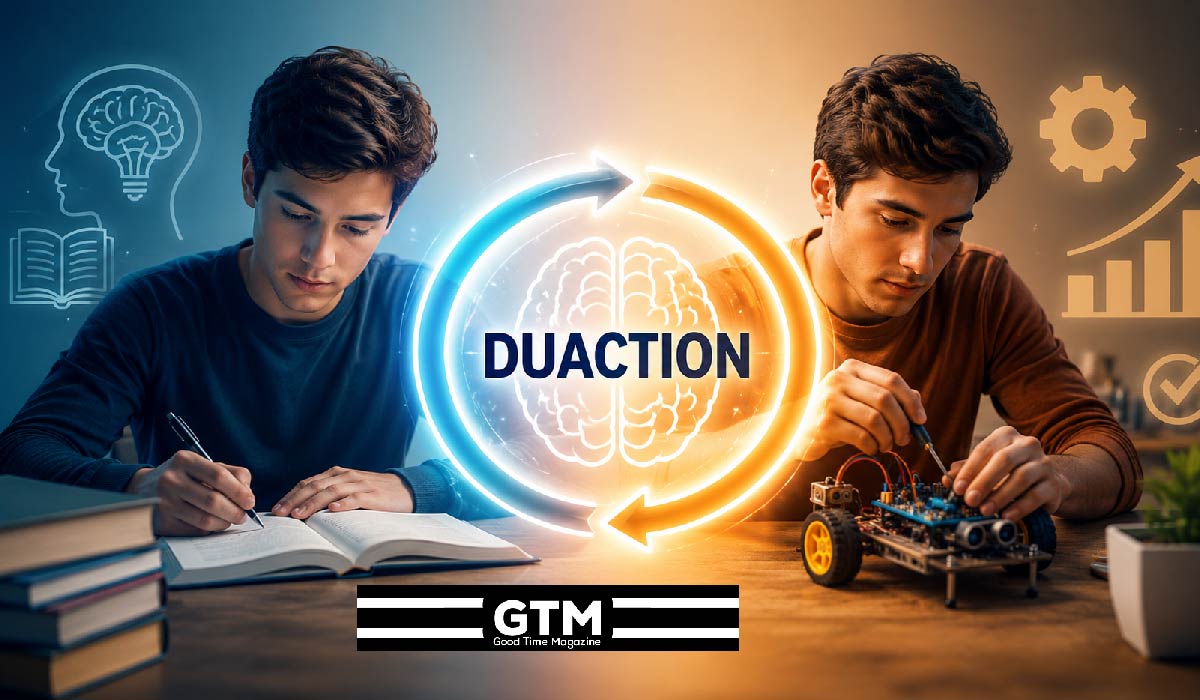
Duaction is a modern learning approach that combines education with action. Instead of learning information and applying it later, learners immediately use their knowledge through real projects, practical tasks, and hands-on experiences. This method helps people develop skills faster, improve knowledge retention, and gain real-world experience. In simple terms, Duaction is the process of learning by doing while continuously improving through feedback and experience.
Introduction
Duaction is gaining attention in 2026 because people are looking for better ways to learn and develop practical skills. The world is changing rapidly, and industries now require individuals who can solve problems, adapt to new situations, and apply knowledge effectively. Traditional learning methods often focus heavily on theory, memorization, and examinations. While these methods can provide important knowledge, they do not always prepare learners for real-life challenges. As a result, many students and professionals find themselves struggling to apply what they have learned when facing practical situations.
The growing demand for job-ready skills has made Duaction more relevant than ever. Employers increasingly value practical experience alongside academic qualifications. They want employees who can contribute from day one instead of spending months learning basic workplace skills. Duaction addresses this need by combining learning with immediate application. Rather than waiting until a course ends, learners practice skills throughout the learning process.
The rise of online education, digital platforms, remote work, and project-based careers has also contributed to Duaction’s popularity. People now have access to tools that allow them to learn and apply knowledge simultaneously. Whether someone is learning coding, marketing, design, entrepreneurship, or communication skills, Duaction provides a practical framework for growth. This article explores the meaning of Duaction, its benefits, applications, challenges, and its growing importance in the future of learning and skill development.
The Meaning and Core Idea Behind Duaction
The word Duaction is commonly understood as a combination of two important concepts: education and action. The core idea is simple yet powerful. Learning should not remain limited to books, lectures, videos, or classrooms. Instead, knowledge should be applied immediately through practical experiences. This creates a learning process where theory and action work together rather than existing separately.
Many traditional educational systems divide learning into two stages. First, people study concepts and theories. Later, they attempt to apply those concepts in real situations. However, this gap between learning and application often causes information to be forgotten. Duaction reduces this gap by encouraging learners to practice what they learn as soon as possible. This immediate application strengthens understanding and improves long-term retention.
The philosophy behind Duaction is based on active participation. Learners are not passive recipients of information. They become active participants in the learning process. For example, someone learning digital marketing might study search engine optimization and then immediately create a website, publish content, and analyze performance. Through action, they gain experience that cannot be acquired through theory alone.
At its heart, Duaction promotes continuous improvement. Every action creates feedback. Every result provides lessons. Every lesson leads to better performance. This cycle transforms learning into a dynamic process where knowledge grows through practical experience and reflection.
Why Traditional Learning Is No Longer Enough
Traditional learning methods have helped millions of people gain knowledge over the years. Schools, universities, and training programs continue to play an important role in education. However, the demands of the modern world have revealed certain limitations within purely theory-based learning systems. Many learners can successfully memorize information for exams but struggle to apply that knowledge in practical situations.
One major challenge is the gap between theory and practice. Students often spend years studying concepts without experiencing how those concepts work in real environments. As a result, they may graduate with strong academic knowledge but limited practical skills. Employers frequently report that new graduates require additional training before becoming fully productive in the workplace.
Technology has also accelerated the pace of change. New tools, platforms, and industries emerge quickly. Information that was relevant a few years ago may become outdated today. In this environment, success depends not only on knowledge but also on adaptability, problem-solving abilities, and practical experience. Traditional learning systems often struggle to keep pace with these changes.
Another issue is learner engagement. Many students find passive learning less motivating. Listening to lectures and memorizing facts can feel disconnected from real life. Duaction addresses these challenges by connecting knowledge directly to action. Learners see how concepts apply in practice, making education more meaningful, engaging, and relevant. This practical connection helps build confidence, competence, and long-term understanding.
Key Benefits of Duaction in Modern Learning
Duaction offers numerous benefits that make it highly effective for modern learners. One of the biggest advantages is improved knowledge retention. Research consistently shows that people remember information more effectively when they actively use it. When learners immediately apply concepts through projects, tasks, and practical experiences, the knowledge becomes deeply connected to real situations, making it easier to recall and use later.
Another important benefit is faster skill development. Traditional learning often delays practical application until after theoretical study is complete. Duaction eliminates this delay by integrating practice into the learning process from the beginning. As a result, learners gain experience while building knowledge, accelerating their overall growth. This combination helps individuals develop competence more quickly and effectively.
Duaction also increases confidence. Many people hesitate to apply new skills because they lack experience. Through continuous action and feedback, learners gradually become more comfortable using their knowledge in real-world situations. Each successful application strengthens self-belief and motivation.
Problem-solving abilities also improve significantly under the Duaction model. Real-world tasks rarely follow textbook examples. Learners must adapt, think critically, and find solutions to unexpected challenges. These experiences develop valuable skills that are highly sought after in education, business, and professional environments. By combining knowledge, action, reflection, and improvement, Duaction creates a learning experience that prepares individuals for practical success rather than theoretical understanding alone.
How the Duaction Learning Process Works
The Duaction learning process follows a continuous cycle where learning and action happen together instead of separately. This cycle usually begins with understanding a concept. A learner studies basic knowledge through reading, watching tutorials, or attending lessons. However, unlike traditional methods, learning does not stop at this stage. The next step begins immediately, which is applying the concept in a practical way.
Once the learner understands the basics, they move into action. This can involve building a project, solving a real problem, or practicing a new skill. For example, someone learning web development might study HTML and then immediately create a simple webpage. This direct application helps reinforce understanding and highlights areas that need improvement. Instead of waiting for perfection, learners gain experience while still learning.
The final part of the process is reflection and improvement. After applying knowledge, learners review their results and identify mistakes or gaps. This feedback allows them to improve their approach in the next cycle. Over time, this repeated process of learning, applying, and refining builds strong skills. The Duaction cycle is simple but powerful because it transforms learning into an active, ongoing process rather than a one-time activity.
Duaction vs Traditional Learning – Clear Comparison
Duaction and traditional learning differ mainly in how knowledge is used. Traditional learning focuses heavily on theory, where students attend lectures, read materials, and memorize information. While this approach provides a strong foundation, it often delays practical application. Learners may spend months or years studying before using their knowledge in real situations, which can lead to weak skill development.
In contrast, Duaction combines theory and practice from the beginning. Learners do not wait to apply knowledge. Instead, they use it immediately through real-world tasks and projects. This approach creates a stronger connection between understanding and action. As a result, learners develop both knowledge and practical skills at the same time, making them more prepared for real-life challenges.
Another key difference is engagement. Traditional learning can sometimes feel passive, as learners mainly listen and memorize. Duaction is active and engaging because learners are involved in doing, experimenting, and solving problems. This makes the learning process more interesting and meaningful. While traditional learning still has value, Duaction enhances it by adding practical experience, making it more effective in today’s fast-changing world.
Real-World Applications of Duaction
Duaction is widely used in many fields because it focuses on practical learning and real results. In entrepreneurship, for example, people do not just study business theories. They test ideas, launch small projects, and learn from real market responses. This approach helps them understand how businesses work in practice rather than only in theory. By learning through action, entrepreneurs can improve quickly and make better decisions.
In technology and programming, Duaction plays a major role. Developers often learn new languages or tools while building actual applications. Instead of only reading documentation, they write code, fix errors, and improve their projects. This hands-on experience helps them become skilled faster and prepares them for real-world development challenges. It also builds confidence because they can see their progress clearly.
Creative industries also rely heavily on Duaction. Designers, writers, and content creators learn by producing work and refining it based on feedback. Education systems are also adopting this approach through project-based learning, internships, and practical assignments. These real-world applications show that Duaction is not limited to one field. It is a universal method that helps people turn knowledge into meaningful results.
How to Apply Duaction in Daily Life
Applying Duaction in daily life is simple and does not require special resources or formal programs. The first step is to learn a concept. This could be anything from digital marketing to communication skills or coding. The key is to focus on understanding the basics clearly. Once you have a basic idea, the next step is to apply it immediately in a practical way.
For example, if you are learning search engine optimization, you can create a small blog and start writing articles. Instead of only reading about SEO strategies, you test them yourself. You observe how your content performs and make changes based on results. This direct experience helps you understand what works and what does not. It also makes learning more engaging and meaningful.
The final step is to review and improve your work. Look at your results, identify mistakes, and adjust your approach. Then repeat the process with new ideas and improvements. Over time, this cycle builds strong skills and real experience. Duaction turns everyday learning into an active process where you grow continuously. By applying this method consistently, anyone can develop practical knowledge and improve faster in any field.
Common Mistakes People Make with Duaction
Many people misunderstand how Duaction works and make mistakes that slow down their progress. One common mistake is skipping the learning phase. Some learners jump directly into action without understanding basic concepts. This can lead to confusion and frustration because they lack the foundation needed to apply knowledge effectively. Learning and action must go together for Duaction to work properly.
Another common mistake is ignoring feedback. Reflection is a key part of the Duaction process. Without reviewing results and learning from mistakes, improvement becomes difficult. Some learners continue repeating the same actions without analyzing what went wrong. This prevents growth and limits skill development over time.
Lack of consistency is also a major issue. Duaction requires regular practice and continuous effort. Some people start with enthusiasm but stop after a short time. Real progress happens when learners repeat the cycle of learning and applying over a longer period. Another mistake is choosing projects that are too complex at the beginning. Starting small helps build confidence and understanding. By avoiding these mistakes, learners can fully benefit from the Duaction approach and achieve better results.
Best Practices for Effective Duaction Learning
To get the best results from Duaction, it is important to follow effective learning practices. One of the most useful strategies is starting with small and manageable tasks. Instead of trying to master everything at once, learners should focus on simple projects that allow them to apply basic concepts. This approach reduces pressure and makes learning more enjoyable and sustainable.
Consistency is another key factor. Learning through action requires regular practice. Even small daily efforts can lead to significant improvement over time. By maintaining a steady routine, learners build strong habits and develop deeper understanding. Tracking progress is also helpful because it allows learners to see their improvement and identify areas that need more attention.
Seeking feedback is equally important. Feedback from mentors, peers, or online communities provides valuable insights that help learners improve faster. It highlights mistakes and suggests better approaches. Staying curious and open to learning also plays a major role. Duaction is not just about completing tasks but about continuously improving and exploring new ideas. By following these best practices, learners can maximize the benefits of Duaction and achieve meaningful progress.
Role of Duaction in Career Growth and Success
Duaction plays a major role in career growth because it focuses on real skills and practical experience. In today’s job market, employers are not only interested in academic qualifications. They also look for candidates who can apply their knowledge effectively. Duaction helps individuals build this ability by combining learning with action throughout their development process.
Many careers now require hands-on skills that cannot be learned through theory alone. Fields such as digital marketing, web development, design, and entrepreneurship demand practical experience. By using Duaction, individuals gain this experience early, making them more competitive in the job market. They can demonstrate real work instead of only theoretical knowledge, which increases their chances of success.
Duaction also supports freelancing and independent careers. Many people build their skills by working on real projects and improving through experience. This approach allows them to earn while learning and grow faster than traditional methods. Over time, they develop strong portfolios and confidence in their abilities. By focusing on both knowledge and action, Duaction prepares individuals for long-term career success in a rapidly changing world.
Future of Learning – Why Duaction Will Dominate
The future of learning is shifting toward skill-based and practical education, and Duaction fits perfectly into this trend. As technology continues to evolve, traditional learning models are being replaced by more flexible and effective approaches. Online platforms, artificial intelligence, and digital tools are making it easier for people to learn and apply knowledge at the same time.
Industries are changing quickly, and the demand for adaptable skills is increasing. Employers prefer individuals who can learn continuously and apply their knowledge in real situations. Duaction supports this need by encouraging ongoing learning and practical experience. It prepares individuals to handle new challenges and adapt to changes in their fields.
Education systems are also starting to adopt Duaction principles. Project-based learning, internships, and real-world assignments are becoming more common. These methods help students develop skills that are useful beyond the classroom. As the world continues to move toward a skill-driven economy, Duaction is expected to become a dominant learning approach. It offers a balanced and practical way to learn, making it highly relevant for the future.
Conclusion
Duaction represents a powerful shift in the way people learn and develop skills. Instead of separating theory from practice, it combines both into a single process where knowledge is applied immediately. This approach makes learning more effective, engaging, and relevant to real-life situations. By focusing on action, learners gain experience that helps them understand concepts deeply and use them confidently.
In a world that is constantly changing, the ability to apply knowledge is more important than ever. Duaction helps individuals build practical skills, improve problem-solving abilities, and adapt to new challenges. Whether someone is a student, professional, or entrepreneur, this method provides a clear path to growth and success.
The true value of Duaction lies in its simplicity. Learning becomes meaningful when it is connected to action. By following this approach, anyone can transform knowledge into real results and continuous improvement. In the end, the most effective learning happens when knowledge is not just understood but actively used in the real world.
(FAQs)
What is Duaction in simple words?
Duaction is a learning method that combines education with action. It means learning something and applying it immediately through real tasks or projects, helping people build skills faster and understand concepts more deeply.
Why is Duaction important in modern learning?
Duaction is important because it helps learners gain real-world skills, not just theoretical knowledge. It improves understanding, increases confidence, and prepares individuals for practical challenges in careers, business, and everyday problem-solving situations.
Where is Duaction commonly used?
Duaction is widely used in fields like entrepreneurship, technology, digital marketing, education, and creative industries. It is also used in project-based learning, internships, and online courses where practical experience is important.
How can beginners start using Duaction?
Beginners can start by learning a basic concept and applying it through a small project. They should review results, improve their work, and repeat the process regularly to build skills and gain practical experience over time.
Is Duaction better than traditional learning?
Duaction is not a replacement but an improvement over traditional learning. It combines theory with practice, helping learners develop real skills and apply knowledge effectively, making learning more useful and relevant in real life.
For more amazing news and stories, visit Good Time Magazine

How Does HARDVOGUE Provide Customized Solutions for Label Materials?

SOKANY Small Appliance Brand Development Trends: A Guide for Distributors

How Smart Hydraulics Are Transforming Aviation Maintenance

Seasonal Digital Marketing: Making the Most of Ramadan and Key Shopping Periods

Seasonal Security: Preparing for Ramadan, Hajj Season, and Peak Periods in Saudi Arabia

How Effective Treasury Management Helps UAE Businesses Manage Cash Flow Risk

Polyimide Flexible PCB Fabrication: The Backbone of Lightweight and Durable Electronics

Communicating Across Cultures in a Diverse Workplace

Pyjamaspapper: Meaning, History and Cozy Lifestyle Guide

Meet Dorothy Bowles Ford: What Happened to Harold Ford Sr.’s Ex-Wife?

Who Is Jan Ashley? The Untold Story Of Robert Kardashian’s Ex-Wife

Who Is Charles Donald Fegert? Shocking Truth About Barbara Eden’s Ex-Husband

Josh Winterhalt: The Private Life of Sarah Wayne Callies’ Husband

Sharon Mobley Stow: The Private Life Behind Jim Acosta’s Ex-Wife

Who Is Harlene Rosen? The Untold Story Of Woody Allen’s Ex-Wife
