Sewing & Textile Techniques
Nahttypen Explained: Complete Guide to Seam Types in Sewing

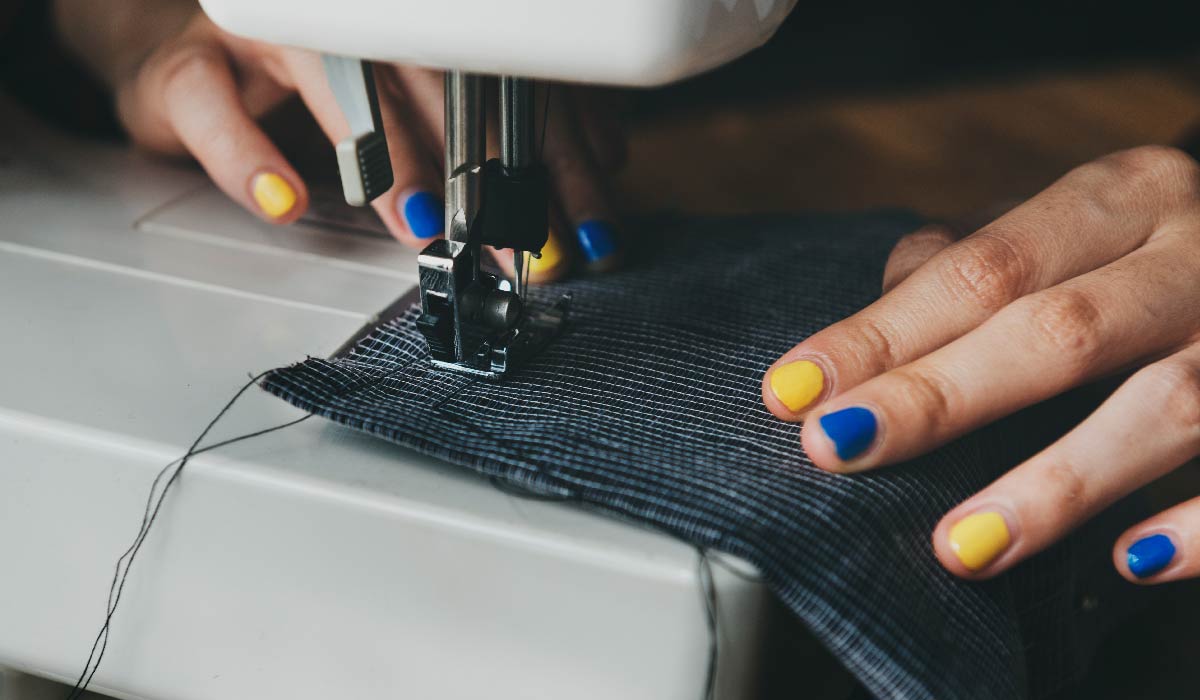
Nahttypen are the different types of seams used to join two or more pieces of fabric together in sewing and textile production. Each seam type is defined by how it is constructed, how the raw edges are finished, and the purpose it serves in a garment or product. In simple words, Nahttypen describes the method used to connect fabric pieces securely and neatly.
A seam is created when fabric layers are stitched together along a defined line. It is important to understand that a seam is not the same as a stitch. A stitch is the individual loop or thread movement made by a needle, while a seam is the full line of stitches that joins fabric pieces. Different seam types use different stitch patterns, folding techniques, and finishing methods to achieve specific results.
Seam classification matters because not all seams are suitable for all fabrics. Some seams are structural, designed to hold heavy materials under tension. Others are decorative, meant to enhance the visual appeal of a garment. In garment construction, upholstery, and industrial textiles, choosing the correct Nahttypen ensures strength, comfort, flexibility, and a clean finish. Without proper seam selection, even high-quality fabric can fail in performance and appearance.
Introduction
Nahttypen play a central role in every sewing project, whether you are creating a simple cushion cover or designing a complex garment. Many beginners ask, what are Nahttypen, why are seam types important, and ” Which seam should I use for my fabric? These questions are important because the right seam can completely change the durability, appearance, and comfort of your finished product. Understanding Nahttypen is not just for professionals; it is a core skill for anyone who works with fabric.
Seam types affect how long a garment lasts, how it feels against the skin, and how polished it looks from both the inside and outside. A weak seam can tear under stress, while a well-chosen seam adds strength and shape. Some seams are almost invisible and create a clean interior finish. Others are bold and decorative, adding character and structure to the design.
In modern sewing, knowledge of Nahttypen also helps you select the right construction method for different materials, from lightweight silk to heavy denim. This complete guide will explain the definition of Nahttypen, explore traditional and modern seam types, discuss applications across industries, provide a practical selection guide, introduce advanced seam technologies, highlight common mistakes, and share expert tips to help you achieve professional results.
The Historical Evolution of Nahttypen
The history of Nahttypen goes back thousands of years to the earliest forms of clothing. Ancient people used bone needles and animal sinew to stitch hides and simple woven fabrics together. These early seams were basic but strong enough to protect against weather and physical strain. As civilizations developed, so did sewing methods and seam construction techniques.
During the medieval period, tailoring became more refined. Skilled artisans developed techniques to shape garments more precisely, using carefully planned seam placements. The invention of the sewing machine during the Industrial Revolution transformed seam construction. Production became faster and more consistent, and new seam types were developed to meet growing demand.
In the twentieth century, industrial sewing machines allowed more specialized Nahttypen to emerge. Modern computerized machines can now create complex seam patterns with high precision. The development of synthetic fabrics and performance textiles led to new seam technologies designed for stretch, waterproofing, and durability. Today, seam construction combines traditional craftsmanship with advanced technology to meet the needs of fashion, sportswear, and technical industries.
Core Functions of Nahttypen in Sewing and Textile Design
Nahttypen serve several important functions in sewing and textile design. The most basic function is structural strength. Seams hold fabric pieces together and must withstand movement, tension, and daily wear. Areas such as shoulders, inseams, and armholes often require stronger seam construction because they experience more stress. Reinforcement in these zones prevents tearing and extends the life of the garment.
Seams also play a significant role in aesthetic design. Visible seams can shape a garment and define its silhouette. Topstitched seams create clean lines and visual interest. Decorative seams can add texture and character, transforming a simple design into something unique. Even hidden seams influence the way a garment drapes and fits.
Functional performance is another key purpose of Nahttypen. Some seams allow stretch for comfort, especially in knit fabrics. Others provide waterproof protection in outdoor clothing. Certain seam types help with insulation or flexibility, making them suitable for sportswear and technical gear.
Durability and longevity depend heavily on seam finishing techniques. Proper finishing prevents fraying and strengthens the seam structure. A well-finished seam not only looks professional but also ensures the garment maintains its shape and integrity over time.
Classification of Nahttypen
Nahttypen can be classified into several categories based on their construction and purpose. Plain seams are the most basic type and are commonly used in everyday garment assembly. They are simple to create and suitable for many fabrics. Enclosed seams hide raw edges inside the seam structure, creating a clean interior finish and preventing fraying.
Reinforced seams are designed for areas that experience high stress. These seams may include double stitching or folded edges for added strength. Stretch seams are created to move with the fabric, making them ideal for knit and activewear materials. Decorative seams are used to enhance the visual design of a garment and may include topstitching or special stitch patterns.
Industrial or technical seams are developed for specific performance requirements, such as waterproofing or heat resistance. Classifying Nahttypen in this way helps sewists make better decisions based on fabric type, garment function, and desired appearance. Understanding these categories simplifies seam selection and improves overall construction quality.
Basic Nahttypen for Beginners
For beginners, mastering basic Nahttypen builds a strong foundation in sewing. The straight seam, also known as Geradnaht, is the most common seam type. It is created by placing two fabric pieces right sides together and stitching along the seam allowance. This seam works well for lightweight to medium fabrics and is suitable for shirts, skirts, and simple garments. It offers moderate strength and is easy to construct.
The zigzag seam, or Zickzacknaht, is useful when working with stretch fabrics. This seam uses a back-and-forth stitch pattern that allows flexibility. It is often used to finish raw edges and prevent fraying. The zigzag seam is ideal for jersey, knit, and other stretchy materials because it moves with the fabric instead of breaking.
The French seam is perfect for lightweight and delicate fabrics such as silk or chiffon. It encloses raw edges within a second seam line, creating a smooth and polished finish. This seam provides a neat interior and is often used in fine garments.
The overlocked seam is created using a serger machine. It trims and finishes raw edges at the same time. This seam is commonly used in knit garments and casual wear. Each of these basic Nahttypen serves a specific purpose and helps beginners develop strong technical skills.
Advanced Nahttypen for Professional Sewing
Professional sewing often requires more advanced Nahttypen to achieve durability and refined finishes. The flat-felled seam is widely used in heavy-duty garments like jeans. This seam encloses raw edges and includes visible topstitching, offering both strength and a clean appearance. It is strong and durable but requires careful folding and precise stitching.
The bound seam uses bias tape to cover raw edges. This method is often seen in luxury garments and jackets where interior finishing matters. It provides a high-quality appearance but takes more time to construct.
The lapped seam overlaps two fabric edges and stitches them together. It is common in leather work and upholstery because it reduces bulk and provides a strong join. However, it may not be suitable for lightweight fabrics.
The double-stitched seam adds reinforcement by sewing two parallel lines of stitches. It is used in high-stress areas. The topstitched seam combines structural and decorative functions by adding visible stitching on the garment surface. While advanced seams improve quality and durability, they require greater skill and attention to detail.
Modern Seam Technologies and Innovations
Modern technology has expanded the possibilities of Nahttypen beyond traditional stitching. Seam taping involves applying heat-activated tape over seams to make them waterproof. This method is common in rain jackets and outdoor gear. Bonded seams use adhesives instead of thread, creating smooth and clean finishes without needle holes.
Ultrasonic welding fuses synthetic fabrics using high-frequency vibrations. This process eliminates the need for stitching and is often used in medical and technical textiles. Laser sealing is another innovation that cuts and seals fabric edges simultaneously, reducing fraying.
Flatlock stitching is commonly used in sportswear because it creates flat seams that reduce friction against the skin. Heat-sealed waterproof seams are essential in performance garments. These modern seam technologies improve comfort, durability, and weather resistance across sportswear, outdoor gear, medical textiles, and industrial applications.
How to Choose the Right Nahttypen for Your Project
Choosing the correct Nahttypen depends on several factors. Fabric type is the first consideration. Lightweight fabrics benefit from enclosed seams like French seams. Stretch fabrics require flexible seams, such as zigzag or overlocked seams. Heavy fabrics need reinforced or flat-felled seams for strength. Sheer fabrics demand clean interior finishes to maintain appearance.
Intended use also influences seam selection. Everyday wear may only require plain seams. High-performance gear needs waterproof or stretch seams. Decorative garments may use topstitched or bound seams. Upholstery projects require strong and durable seam construction.
Durability requirements must be evaluated. High-stress areas such as shoulders and inseams need reinforced seams. Casual garments may not require heavy reinforcement. Machinery availability also matters. A home sewing machine can create basic seams, while a serger allows overlocking. Industrial machines provide advanced options. Considering these elements ensures the seam supports both function and design.
Seam Allowance, Finishing & Construction Details
Seam allowance is the distance between the seam line and the fabric edge. Proper seam allowance ensures strength and allows for adjustments. Seam grading involves trimming seam layers to different widths to reduce bulk. Clipping and notching help seams lay flat around curves.
Pressing techniques are essential for professional results. Pressing seams open or to one side shapes the garment and improves appearance. Serging prevents fraying by finishing raw edges. Binding encloses edges with fabric strips for durability and decoration. Pinked edges use special scissors to reduce fraying.
Each of these techniques enhances seam quality by improving durability, reducing bulk, and creating a clean finish. Attention to construction details separates amateur sewing from professional craftsmanship.
Common Mistakes When Working With Nahttypen
Many sewing problems arise from incorrect seam selection. Using the wrong seam for a fabric type can lead to tearing or poor drape. Incorrect seam allowance may cause fit issues. Skipping pressing results in bulky and uneven seams. Choosing the wrong needle can damage fabric or create skipped stitches.
Improper thread tension affects seam strength and appearance. Ignoring stretch requirements can cause seams to break. Poor finishing allows raw edges to fray. Avoiding these mistakes requires careful planning and attention to detail. Testing techniques before sewing the final garment reduces errors and improves results.
Professional Tips for Perfect Seams
Achieving perfect seams requires practice and patience. Always test stitches on scrap fabric before starting your project. Using the correct needle type for your fabric prevents damage. Matching thread weight to fabric thickness ensures balanced seams.
Maintaining even seam allowance throughout the garment improves consistency. Pressing as you sew shapes the fabric properly. Reinforcing stress points increases durability. Choosing high-quality thread reduces breakage and fraying. These simple but effective habits elevate seam construction and produce professional-quality results.
Nahttypen in Different Industries
Nahttypen are used across many industries beyond fashion. In fashion design and haute couture, seam types influence structure and style. Sportswear relies on flexible and flat seams for comfort. Technical textiles require specialized seam technologies for performance.
Upholstery uses strong seams to handle weight and movement. Automotive interiors demand durable and neat seam finishes. Medical textiles depend on bonded or welded seams for hygiene and strength. Understanding how seam types function in various industries highlights their importance in both everyday products and advanced technical applications.
Comparison Table of Major Nahttypen
| Seam Type | Best For | Strength Level | Finish Type | Fabric Compatibility | Skill Level |
|---|---|---|---|---|---|
| Straight Seam | General garments | Moderate | Simple | Most fabrics | Beginner |
| Zigzag Seam | Stretch fabrics | Moderate | Flexible | Knit fabrics | Beginner |
| French Seam | Lightweight garments | Moderate | Clean enclosed | Sheer fabrics | Intermediate |
| Flat-Felled Seam | Jeans, heavy wear | High | Durable enclosed | Denim, canvas | Advanced |
| Overlocked Seam | Knit garments | Moderate | Finished edge | Stretch fabrics | Intermediate |
| Bound Seam | Luxury garments | High | Decorative enclosed | Woven fabrics | Advanced |
Conclusion
Mastering Nahttypen is essential for producing durable, comfortable, and visually appealing garments. Seam knowledge connects traditional craftsmanship with modern technology. By understanding different seam types and their purposes, you can select the most suitable method for each project.
Correct seam choice improves fit, strength, and appearance. Traditional seams remain valuable, while modern innovations expand possibilities in performance textiles. Experimentation and consistent practice build confidence and skill. With a strong understanding of Nahttypen, you can create sewing projects that are both functional and professionally finished.
Amazing Biography And Celebrity Stories At Good Time Magazine


How Does HARDVOGUE Provide Customized Solutions for Label Materials?

SOKANY Small Appliance Brand Development Trends: A Guide for Distributors

How Smart Hydraulics Are Transforming Aviation Maintenance

Seasonal Digital Marketing: Making the Most of Ramadan and Key Shopping Periods

Seasonal Security: Preparing for Ramadan, Hajj Season, and Peak Periods in Saudi Arabia

How Effective Treasury Management Helps UAE Businesses Manage Cash Flow Risk

Polyimide Flexible PCB Fabrication: The Backbone of Lightweight and Durable Electronics

Communicating Across Cultures in a Diverse Workplace

Pyjamaspapper: Meaning, History and Cozy Lifestyle Guide

Meet Dorothy Bowles Ford: What Happened to Harold Ford Sr.’s Ex-Wife?

Who Is Jan Ashley? The Untold Story Of Robert Kardashian’s Ex-Wife

Who Is Charles Donald Fegert? Shocking Truth About Barbara Eden’s Ex-Husband

Josh Winterhalt: The Private Life of Sarah Wayne Callies’ Husband

Sharon Mobley Stow: The Private Life Behind Jim Acosta’s Ex-Wife

Who Is Harlene Rosen? The Untold Story Of Woody Allen’s Ex-Wife
