
Blog
Piragnia Explained: The Shocking Truth Behind This Trending Word

Introduction
The word Piragnia has started appearing more often in online searches, blog posts, and social media discussions, leaving many people confused about what it actually means. Some users think it is the name of a fish. Others believe it is a new digital trend or creative term. Because the spelling looks real and sounds similar to a known word, curiosity grows quickly.
People type Piragnia into search engines, wanting clear answers. Is it a real animal? Is it a scientific name? Or is it simply an internet mistake that became popular? In today’s fast-moving online world, even small spelling differences can turn into trending topics.
This article explains everything about Piragnia in simple and clear language. You will learn where the word comes from, why it is trending, how it connects to the piranha fish, and how it is being used creatively online. By the end, you will fully understand Piragnia without confusion.
What Is Piragnia?
Piragnia is commonly a misspelling or informal variation of the word “piranha,” which is a freshwater fish found in South America. While Piragnia is not an official scientific or dictionary term, some people use it online as a creative or unique word. In most cases, Piragnia refers to piranha, but its digital use has expanded beyond biology.
Is Piragnia a Real Word?
Piragnia is not recognized as an official word in standard English dictionaries or scientific classification systems. If you check trusted dictionaries or biological references, you will find “piranha,” but you will not find Piragnia listed as a valid species name. This means that, technically, Piragnia is not a formal word. However, the internet has changed how language evolves.
Today, new words can spread quickly through search engines, social media, and blogs. When enough people use a spelling repeatedly, it begins to look real, even if it is not officially accepted. This is how Piragnia gained visibility.
It exists mainly because of digital repetition and search behavior, not because of historical or scientific recognition. Search engines show Piragnia because people search for it, and algorithms respond to user behavior rather than dictionary approval. This shows how modern language grows online, sometimes outside traditional rules.
Piragnia vs Piranha – Understanding the Difference
The main difference between Piragnia and piranha is spelling and accuracy. Piranha is the correct word used in science, education, and wildlife discussions. Piranhais typically a spelling variation that developed due to pronunciation confusion. The word “piranha” contains the “nh” sound, which can be unfamiliar to some English speakers.
When people hear the word spoken, they sometimes assume it is spelled with a “gn” instead of “nh.” Accents and fast typing can also contribute to this mistake. Once the misspelling appears online and gets repeated, search engines begin recognizing it as a common query.
Over time, more content includes the spelling Piragnia simply to match user searches. This creates a cycle where the incorrect version continues to spread. Despite this trend, the correct spelling remains piranha when referring to the fish.
The Real Animal Behind Piragnia (Piranha Overview)
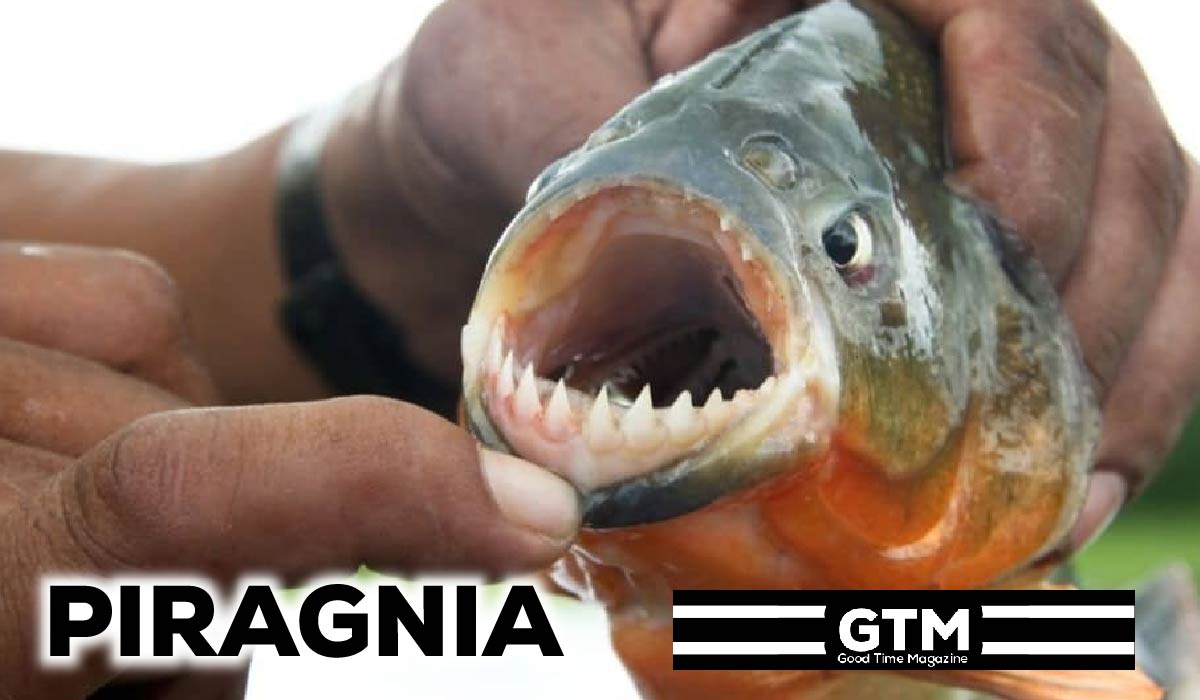
The real animal associated with Piragnia is the piranha, a freshwater fish native to South America. Piranhas live mainly in river systems such as the Amazon River, the Orinoco River, and the Paraguay–Paraná basin. These fish are known for their sharp, triangular teeth and powerful jaws. They usually have a deep, flat body shape and can vary in size depending on the species. Some are small, while others grow larger. Piranhas belong to the family Serrasalmidae, which includes several related species.
They have adapted well to river ecosystems and play an important role in maintaining balance in aquatic environments. Although they are famous for their strong bite, they are not simply aggressive predators. Many species are omnivorous, meaning they eat both plant material and animal matter. Their reputation often comes more from storytelling than from scientific reality.
Are Piragnia (Piranha) Fish Dangerous?
Many people associate piranhas with danger because of dramatic movies and exaggerated stories about piranhas. Popular culture often shows piranhas attacking large animals or humans in large groups. In reality, this image is mostly exaggerated. While piranhas do have strong teeth and can bite, they are not constantly aggressive toward humans.
Bites are rare and usually happen when the fish feel threatened, stressed, or when food is scarce. In many areas of South America, people swim in rivers where piranhas live without incident. Piranhas are naturally cautious and often avoid large animals.
Like most wild creatures, they act based on survival needs rather than aggression. Understanding this helps separate fact from fiction. Piranha, as a mistaken spelling of piranha, carries the same myths, but the real fish is far less terrifying than the media suggests.
Why Is Piragnia Trending in 2026?
Piragnia is trending in 2026 largely because of curiosity-driven searches and social media repetition. When a word appears unusual or unfamiliar, people want to understand it. Once a few users begin searching for Piranha, search engines detect the rising interest. Social platforms also contribute to this growth. If a word appears in a meme, comment, or short video, it can spread quickly.
The unique sound of Piragnia also makes it memorable. Words that look different often gain attention more easily. In addition, content creators notice trending search terms and begin writing about them, which increases visibility even more. This cycle of curiosity, content creation, and algorithm response pushes Piranha higher in search results. What started as a spelling variation has become a searchable keyword.
How the Internet Turned Piragnia Into a Trend
The internet has the power to transform small mistakes into major trends. Piragnia is a perfect example of this process. When many users search for a specific spelling, search engines adjust to show relevant results. Content creators then produce articles, videos, and posts using that spelling to attract traffic.
This increases visibility further. The more people see Piragnia, the more they use it. This creates a snowball effect where repetition builds legitimacy. Algorithms focus on user behavior, not official spelling rules. Over time, the word appears in blogs, comments, and discussions across platforms. What began as a minor spelling variation grew into a recognized online keyword. This demonstrates how digital ecosystems shape language in modern times.
Piragnia as a Digital Concept or Creative Term
Beyond being a spelling variation, Piragnia has also begun appearing as a creative or brand-like word. Because it has no fixed definition, it offers flexibility. Unique and undefined words are attractive in gaming communities, digital branding, and online identities. Creators often choose names that are memorable and different from existing terms. Piranha fits this pattern. It sounds strong and distinctive, making it suitable for usernames, project titles, or fictional worlds.
The lack of strict meaning allows creators to shape it however they choose. This is how many modern brand names start. A word gains popularity through usage rather than through dictionary recognition. In digital culture, identity and uniqueness matter, and Piragnia provides both.
Language Evolution in the Digital Age
Piragnia highlights how language evolves in the digital age. Spelling variations spread quickly because of fast typing, voice search, and autocorrect errors. Different accents can influence how people interpret spelling based on sound. Online communication prioritizes speed over strict grammar, which encourages variation. When thousands of users repeat the same spelling, it becomes normalized. Search engines reinforce this process by suggesting related terms.
Over time, informal words can feel official simply because they are widely used. This does not replace traditional dictionaries, but it does show that language today grows through digital interaction. Piragnia represents this modern shift, where user behavior influences vocabulary.
Common Myths About Piragnia
There are several myths surrounding Piragnia. One common myth is that it represents a new species of fish, which is not true. Another myth suggests that Piranha fish are more dangerous than piranhas, but they are the same fish under a mistaken spelling. Some people also believe Piranha is officially recognized in scientific literature, which is incorrect.
The correct scientific term remains piranha. These misunderstandings often spread because of repetition rather than verification. Clarifying these myths helps readers avoid confusion and rely on accurate information.
Can Piragnia Be Used as a Brand Name?
From an SEO and branding perspective, Piranha offers potential advantages. Unique words often face less competition in search rankings. This can make them easier to rank for compared to common terms. The word is memorable because it sounds unusual. However, there is also a risk of confusion with the word piranha.
A brand using Piragnia should clearly define its identity to avoid misunderstanding. Strategic content planning, consistent messaging, and clear explanation can help establish a strong presence. Many successful digital brands began with invented or altered words. Piranha has similar potential if used thoughtfully.
Search Intent Behind Piragnia
Most users searching for Piragnia are looking for clarification. They want to know whether it is a fish, a real word, or a trend. This represents informational search intent. Some users are curious about wildlife, while others are exploring digital trends. A smaller group may be researching branding opportunities.
Understanding this search intent is important for content creators aiming to rank on Google. Providing clear definitions, factual corrections, and helpful explanations satisfies user needs. Addressing multiple angles—biological, linguistic, and digital—ensures comprehensive coverage of the topic.
How to Use the Word Piranha Correctly Online
When using Piragnia online, it is important to clarify that it commonly refers to piranha. This prevents misinformation. If writing about wildlife, use the correct spelling piranha while acknowledging the alternative spelling for search clarity. If using Piranha as a creative term or brand name, clearly define its meaning. Transparency builds trust with readers. Avoid presenting Piragnia as a separate scientific species. Accuracy improves credibility and supports long-term SEO success. Clear explanation ensures that audiences leave informed rather than confused.
The Future of Piragnia
The future of Piragnia depends on digital behavior. It may continue as a common spelling variation of piranha, or it could grow into a recognized creative term. Online trends often evolve quickly. Some fade away, while others become part of internet culture. If content creators continue using PPiranha in branding or digital storytelling, it could gain a stronger identity. If search trends decline, it may return to being just a spelling error. Regardless of its path, Piranha serves as an example of how language adapts in online environments.
Final Thoughts
Piragnia may look like a mysterious word, but its meaning becomes clear when examined closely. In most cases, it is a spelling variation of piranha, the well-known South American freshwater fish. However, digital culture has expanded its presence beyond simple error. Piranha now exists as both a trending search term and a creative possibility.
Understanding the difference between scientific fact and online repetition helps readers stay informed. Always verify information before accepting it as true, especially in a fast-moving digital world. By learning the full story behind Piragnia, you gain clarity, avoid myths, and understand how modern language evolves online.
(FAQs)
What is Piragnia?
Piragnia is commonly a misspelling of the word “piranha,” which is a freshwater fish found in South America. It is not an official scientific name. Some people also use Piranha as a creative or digital word online, but in most cases, it refers to piranha.
Is Piragnia a real fish species?
No, Piragnia is not a real fish species. The correct name of the fish is piranha. Piranha became popular because of spelling confusion and repeated online searches, but it is not recognized in scientific classification.
Why is Piragnia trending online?
Piragnia is trending because many people search for it out of curiosity. Social media, search engines, and repeated online use helped the word spread quickly. When more people search for a term, it becomes more visible, which increases its popularity.
Are Piragnia (piranha) fish dangerous to humans?
Piranhas can bite, but they are not constantly dangerous to humans. Most species are cautious and avoid large animals. Attacks are rare and usually happen when the fish feel threatened or food is scarce. Many scary stories about them are exaggerated.
Can Piragnia be used as a brand or project name?
Yes, Piragnia can be used as a brand or creative name because it is unique and memorable. However, it is important to explain its meaning clearly to avoid confusion with the word piranha. Unique names can perform well in search engines if used correctly.
Read Also: Fanisco Explained: The Ultimate Guide to This Rising Trend

How Does HARDVOGUE Provide Customized Solutions for Label Materials?

SOKANY Small Appliance Brand Development Trends: A Guide for Distributors

How Smart Hydraulics Are Transforming Aviation Maintenance

Seasonal Digital Marketing: Making the Most of Ramadan and Key Shopping Periods

Seasonal Security: Preparing for Ramadan, Hajj Season, and Peak Periods in Saudi Arabia

How Effective Treasury Management Helps UAE Businesses Manage Cash Flow Risk

Polyimide Flexible PCB Fabrication: The Backbone of Lightweight and Durable Electronics

Communicating Across Cultures in a Diverse Workplace

Pyjamaspapper: Meaning, History and Cozy Lifestyle Guide

Who Is Jan Ashley? The Untold Story Of Robert Kardashian’s Ex-Wife

Meet Dorothy Bowles Ford: What Happened to Harold Ford Sr.’s Ex-Wife?

Who Is Charles Donald Fegert? Shocking Truth About Barbara Eden’s Ex-Husband

Josh Winterhalt: The Private Life of Sarah Wayne Callies’ Husband

Who Is Harlene Rosen? The Untold Story Of Woody Allen’s Ex-Wife

Sharon Mobley Stow: The Private Life Behind Jim Acosta’s Ex-Wife
