
Blog
Tarnplanen Guide: Powerful Outdoor Tarp That Actually Works

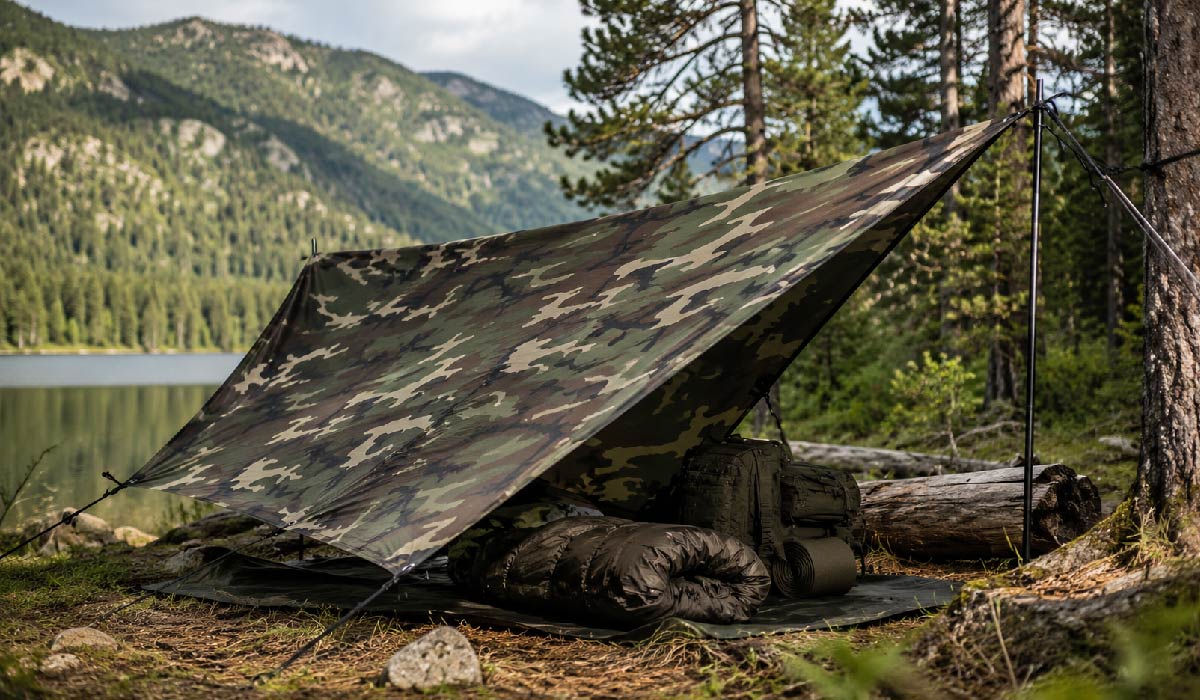
Tarnplanen is a durable camouflage tarp designed for outdoor use, offering protection, concealment, and shelter in different environments. It is usually made from strong materials like polyester, nylon, or PVC and is widely used in camping, hunting, survival, and tactical situations because it is versatile, weather-resistant, and easy to carry.
Introduction
Tarnplanen is becoming more popular as people search for simple and reliable outdoor gear that works in real situations. In recent years, there has been a clear rise in interest around survival tools, camping equipment, and off-grid living. Many people are moving away from complex gear and choosing simple items that can serve multiple purposes. This is where Tarnplanen fits perfectly. It may look like just a tarp, but it solves many real problems in outdoor environments.
There is also some confusion about Tarnplanen online. Some articles describe it as a concept or planning method, while others talk about it as physical gear. In reality, it is a practical tool, not a system or technology. The growing interest in bushcraft, hiking, and minimalist travel has brought Tarnplanen into the spotlight again. People want tools that are easy to use, lightweight, and dependable, especially in uncertain weather conditions.
Another reason for its popularity is the idea of doing more with less. Instead of carrying heavy tents or complicated equipment, many outdoor enthusiasts now prefer a simple tarp that can adapt to different needs. Tarnplanen represents this shift clearly. It is a basic item, but it can be used in many ways depending on the situation.
In this article, you will learn everything about Tarnplanen, including its meaning, history, materials, uses, and how to choose the right one.
Meaning and Origin of Tarnplanen
The word Tarnplanen comes from the German language and has a simple but clear meaning. It is made up of two parts. The word “tarnen” means to conceal or hide, and “planen” refers to tarps or covers. When combined, Tarnplanen means a camouflage tarp or a cover designed to blend into its surroundings. The name itself explains its main purpose, which is to provide protection while staying visually hidden.
It is important to understand that Tarnplanen is not a brand name or a specific product line. It is a general term used to describe a type of tarp with camouflage features. This means different companies can produce Tarnplanen, and their quality may vary. Some may be high-quality and long-lasting, while others may be basic and less durable.
There is also a common misunderstanding online where Tarnplanen is described as a system, strategy, or advanced technology. This is not accurate. It is not a digital concept or a structured method. It is simply a physical tool designed for outdoor use. The confusion likely comes from how words evolve on the internet, where simple terms sometimes get new meanings over time.
Despite these changes in interpretation, the original meaning remains the same. Tarnplanen is a functional outdoor item used for covering, protecting, and blending into natural or urban environments.
A Short History of Tarnplanen and Camouflage Tarps
The idea behind Tarnplanen goes back much further than modern materials. Long before synthetic fabrics existed, people used natural elements like leaves, branches, and mud to hide themselves and their belongings. Early hunters and warriors understood the importance of blending into their surroundings, especially when survival depended on it.
As time progressed, the use of cloth and canvas became more common. In military settings, simple tarps were used to cover equipment and create temporary shelters. During the twentieth century, especially during wartime periods, camouflage patterns started to develop more clearly. These patterns were designed to break up shapes and reduce visibility from a distance.
With the advancement of materials, traditional canvas was gradually replaced or improved with synthetic fabrics. Polyester, nylon, and PVC-coated materials made tarps lighter, stronger, and more resistant to weather conditions. These improvements made Tarnplanen more practical for both military and civilian use.
Unlike many inventions, Tarnplanen did not appear suddenly or dramatically. It evolved slowly over time as materials and needs changed. Campers, hunters, and outdoor workers began to adopt these tarps because they were useful, not because they were marketed as something new. This quiet evolution is part of what makes Tarnplanen reliable today.
Materials Used in Tarnplanen
The materials used in Tarnplanen play a major role in its performance, durability, and overall usefulness. Different materials offer different benefits, and understanding them helps in choosing the right tarp for specific needs. One of the most common materials is polyester. Polyester is lightweight and resists damage from sunlight, making it a good option for outdoor use. It also holds its shape well when exposed to rain, which means it does not sag easily.
Nylon is another widely used material, especially in high-performance tarps. It is strong and flexible, which makes it suitable for tough conditions. However, nylon can absorb some water over time, which may cause it to stretch or sag during long exposure to rain. This is why many nylon tarps are coated with materials like polyurethane or silicone to improve their water resistance.
PVC-coated tarps are known for their strength and complete waterproofing. These are often heavier than other options but provide excellent protection in harsh conditions. They are commonly used in industrial or heavy-duty environments where durability is more important than weight.
Canvas or cotton-blend materials offer a more traditional feel. They are breathable and strong, but they tend to be heavier and may require additional treatment to become fully waterproof. Despite this, they are still preferred by some users for long-term outdoor setups.
Modern Tarnplanen often include ripstop technology, which is a special weaving method that prevents small tears from spreading. This feature increases the lifespan of the tarp significantly. Important technical aspects like hydrostatic head, which measures waterproof ability, and denier, which indicates fabric thickness, also help determine quality. Reinforced edges and strong grommets make it easier to secure the tarp without causing damage.
Key Features That Make Tarnplanen Useful
Tarnplanen stands out because of the practical features that make it useful in many situations. One of its most important qualities is waterproof protection. A good tarp keeps rain away and helps maintain a dry space underneath, which is essential in outdoor conditions. It also provides wind resistance, which reduces the impact of strong air currents and helps maintain warmth.
Another important feature is UV protection. Continuous exposure to sunlight can damage gear and materials, but Tarnplanen helps reduce that effect. The camouflage design is not just for appearance. It breaks up the shape and color of the tarp, allowing it to blend into natural surroundings more effectively. This is especially useful in hunting and wildlife observation.
Portability is another major advantage. Tarnplanen is usually lightweight and can be folded into a compact size, making it easy to carry in a backpack. It is also simple to set up, even for beginners. With a few ropes and anchor points, it can be turned into a shelter in a short time.
The multi-use nature of Tarnplanen makes it even more valuable. It can serve as a roof, a ground cover, a windbreak, or even a protective layer for equipment. Its simplicity is what makes it strong. It does not rely on complex systems, yet it performs well in many different situations.
Common Uses of Tarnplanen in Real Life
Tarnplanen is used in many real-life situations because of its flexibility and reliability. In camping and trekking, it often replaces or supports traditional tents. It can be used to create simple shelters like an A-frame or a lean-to. It also works well as a groundsheet to protect sleeping gear from moisture.
In hunting and wildlife observation, Tarnplanen plays an important role in concealment. Its camouflage design allows users to stay hidden, which is essential when observing animals in their natural habitat. This helps reduce disturbance and improves the chances of a successful experience.
In survival and emergency situations, Tarnplanen becomes even more valuable. It can be used to create a quick shelter during rain or extreme heat. It can also help collect rainwater or provide insulation from the ground. In these situations, a simple tarp can make a significant difference.
Military and tactical use is one of the original applications of Tarnplanen. It is used to cover equipment, create hidden camps, and reduce visibility. Even today, similar tarps are used in various field operations.
At home and in gardens, Tarnplanen is used to cover wood, protect furniture, or shield plants from the weather. In urban and commercial environments, it is used to cover goods during transport or protect materials at construction sites. Its usefulness extends far beyond outdoor adventures.
How Tarnplanen Improves Outdoor Experience
Tarnplanen improves the outdoor experience in a practical way, but it is important to understand its role clearly. It is not a health tool and does not directly improve physical or mental conditions. The real benefits of being outdoors come from nature itself, including fresh air, natural surroundings, and time spent away from stress.
What Tarnplanen does is remove obstacles that might prevent people from staying outdoors longer. Rain, wind, and strong sunlight are common reasons people leave early. A simple tarp provides shelter from these elements, making it possible to remain outside for extended periods.
Staying outdoors longer often leads to a better experience. Whether it is relaxing, observing nature, or spending time with others, consistency matters. Tarnplanen supports this by creating a stable and protected space. It allows people to sit, rest, or work without constant discomfort.
This honest perspective is important because it separates the tool from unrealistic claims. Tarnplanen does not replace nature, but it makes it easier to stay in it. Its value lies in support, not transformation.
Popular Tarnplanen Setup Styles
The way Tarnplanen is set up can greatly affect its performance. One common style is the A-frame setup, where the tarp is placed over a rope tied between two points. This setup is simple and works well in rainy conditions because water flows down both sides.
Another popular option is the lean-to shelter. In this style, one side of the tarp is raised while the other is secured to the ground. This creates a wall that blocks wind and provides a covered area. It is useful in windy environments and allows for an open front view.
A flat roof or awning setup is often used when multiple people need shelter. The tarp is stretched horizontally above a space, providing shade and protection from rain. This is common in campsites or group activities.
Using Tarnplanen as a ground cover is also effective. It acts as a barrier between the ground and equipment, preventing moisture and dirt from causing damage. The setup style often matters more than the tarp itself, as proper positioning can improve comfort and protection significantly.
How to Choose the Right Tarnplanen
Choosing the right Tarnplanen depends on several factors that match your specific needs. Size is one of the first things to consider. A smaller tarp may be enough for a single person, while larger ones are better for groups or covering equipment. The intended use will help determine the right size.
Material selection is also important. Lightweight materials are easier to carry during long hikes, while heavier materials provide better durability in rough conditions. The waterproof rating should not be ignored. A minimum rating of around 2000 mm is generally recommended for reliable rain protection.
Weight and durability should be balanced carefully. If portability is a priority, lighter options are better. If long-term use is expected, stronger materials are more suitable. Attachment points like reinforced loops and grommets make setup easier and more secure.
Camouflage patterns should match the environment where the tarp will be used. Forest patterns work well in green areas, while desert patterns are better for dry landscapes. It is also important to avoid products that do not list specifications, as they may lack quality and reliability.
Common Problems and Limitations of Tarnplanen
While Tarnplanen is useful, it is not without its limitations. One common issue is the variation in quality. Since it is not a branded product, different manufacturers produce tarps with different standards. Some may be strong and reliable, while others may be thin and easy to damage.
Camouflage patterns can fade over time, especially with long exposure to sunlight. Weak grommets or poorly reinforced edges may tear under pressure, reducing the lifespan of the tarp. Water leakage can occur if the material or coating is not of good quality.
Another issue is the lack of standardization. Two Tarnplanen products may look similar but perform very differently. Environmental concerns also exist, especially with PVC-based tarps that are not eco-friendly.
These challenges highlight the importance of careful selection. Tarnplanen is a useful tool, but not all versions offer the same level of performance.
Tarnplanen vs Regular Tarp – Key Differences
Tarnplanen and regular tarps may seem similar, but there are clear differences. The most obvious difference is the camouflage design. Tarn planen is made to blend into the environment, while regular tarps are often plain and visible.
Durability can also vary. Many Tarnplanen products are designed specifically for outdoor use, making them more suitable for rough conditions. Regular tarps may not offer the same level of strength or weather resistance.
The use cases are also different. Tarnplanen is often used in camping, hunting, and survival situations where concealment matters. Regular tarps are more commonly used for general covering tasks at home or in construction.
Overall, Tarnplanen can be seen as a purpose-built tarp designed for specific outdoor needs.
The Future of Tarnplanen
The future of Tarnplanen is likely to be shaped by improvements in materials and design. New developments are focusing on eco-friendly options, such as recycled fabrics and biodegradable coatings. These changes aim to reduce environmental impact while maintaining performance.
Modular tarp systems are also becoming more common. These allow users to connect multiple tarps or adjust their setup based on changing conditions. Heat-resistant and more durable materials are being developed to improve performance in extreme environments.
Tarnplanen may also play a role in disaster relief situations. Lightweight and easy-to-deploy shelters can provide quick protection in emergencies. As urban areas grow and climate conditions become more unpredictable, flexible coverings like Tarnplanen may become even more important.
Tarnplanen as a Modern Concept
In some modern discussions, Tarnplanen is used as a metaphor for flexibility and adaptability. It represents the idea of adjusting to changing conditions, similar to how a tarp can be set up in different ways. However, this is not the original meaning of the term.
The core definition remains rooted in physical gear. While metaphorical use can be interesting, it should not replace the actual purpose of Tarn planen as a functional outdoor tool.
Maintenance and Care Tips for Tarnplanen
Taking care of Tarnplanen helps extend its lifespan and maintain its performance. Cleaning should be done with mild soap and water to remove dirt and debris. Harsh chemicals should be avoided as they can damage the material.
It is important to dry the tarp completely before storing it. Storing it while wet can lead to mold and unpleasant odors. Keeping it away from direct sunlight during storage helps prevent fading and material damage.
Regular checks should be done on grommets and edges to ensure they remain strong. Small tears should be repaired early to prevent them from becoming larger problems. Proper care ensures that Tarnplanen remains reliable over time.
Final Thoughts
Tarnplanen remains relevant because it solves real problems in a simple way. It is not a complex tool, but it is highly effective. Its ability to provide shelter, protection, and concealment makes it valuable in many situations.
In a world where many products focus on advanced features, Tarnplanen stands out for its simplicity. It does not rely on technology or complicated systems. Instead, it delivers consistent performance through basic design.
Its long-term usefulness comes from its adaptability. Whether used in nature, at home, or in emergencies, it continues to serve a purpose. It works quietly in the background, supporting activities without drawing attention.
(FAQs)
What is Tarnplanen used for?
Tarnplanen is used for outdoor protection, shelter, and concealment. People use it in camping, hunting, survival, and construction to stay dry, hidden, and protected from weather conditions.
Is Tarnplanen waterproof?
Yes, most Tarnplanen are waterproof or water-resistant. They are made with coated materials like polyester, nylon, or PVC that help block rain and keep the area underneath dry.
What size Tarnplanen is best for camping?
The best size depends on your needs. A small tarp works for one person, while medium to large Tarn planen are better for groups or creating larger shelters.
What material is best for Tarnplanen?
Polyester and nylon are best for lightweight use, while PVC-coated tarps are stronger and more waterproof. The right material depends on whether you need portability or durability.
Is Tarnplanen better than a regular tarp?
Tarnplanen is better for outdoor use because it has a camouflage design, stronger materials, and better weather protection compared to regular tarps.
Read Also: Bardid Explained: Powerful Future of Digital Identity

How Does HARDVOGUE Provide Customized Solutions for Label Materials?

SOKANY Small Appliance Brand Development Trends: A Guide for Distributors

How Smart Hydraulics Are Transforming Aviation Maintenance

Seasonal Digital Marketing: Making the Most of Ramadan and Key Shopping Periods

Seasonal Security: Preparing for Ramadan, Hajj Season, and Peak Periods in Saudi Arabia

How Effective Treasury Management Helps UAE Businesses Manage Cash Flow Risk

Polyimide Flexible PCB Fabrication: The Backbone of Lightweight and Durable Electronics

Communicating Across Cultures in a Diverse Workplace

Pyjamaspapper: Meaning, History and Cozy Lifestyle Guide

Meet Dorothy Bowles Ford: What Happened to Harold Ford Sr.’s Ex-Wife?

Who Is Jan Ashley? The Untold Story Of Robert Kardashian’s Ex-Wife

Who Is Charles Donald Fegert? Shocking Truth About Barbara Eden’s Ex-Husband

Josh Winterhalt: The Private Life of Sarah Wayne Callies’ Husband

Sharon Mobley Stow: The Private Life Behind Jim Acosta’s Ex-Wife

Who Is Harlene Rosen? The Untold Story Of Woody Allen’s Ex-Wife
