Introduction
Tracqueur is becoming a widely searched term in 2026 as more people look for reliable ways to track and monitor data in real time. Many users are confused about what Tracqueur actually means. Is Tracqueur a GPS tracker? Is it a digital analytics tool? Is it a monitoring app used for safety? Or is it simply a general tracking concept applied across industries? The growing curiosity shows that tracking technology has become an essential part of modern life.
The rapid growth of tracking technologies has changed how businesses and individuals manage information. Real-time monitoring is no longer optional; it is expected. Companies rely on live data to improve decisions, while families use tracking tools to improve safety. As digital systems become more connected, data-driven decision-making has become the foundation of efficiency and security. At the same time, rising security concerns have pushed people to search for dependable monitoring systems that offer transparency and control.
This detailed guide will clearly explain Tracqueur, including its definition, meaning, and origin. It will explore the types of tracqueur systems, their features, benefits, applications, privacy concerns, and future potential. By the end of this article, you will fully understand what Tracqueur represents and why it matters today.
What Is Tracqueur?
Tracqueur is a tracking and monitoring system designed to collect, analyze, and report data related to location, movement, performance, or digital behavior. It can refer to physical tracking devices, digital analytics tools, or monitoring software, depending on context. In simple terms, Tracqueur represents any system that tracks information and provides useful insights.
The term is flexible and can apply to different industries. In transportation, it may describe GPS tracking systems that monitor vehicles. In the digital world, it can refer to website analytics tools that track user behavior and performance metrics. In personal use, it may relate to activity monitoring devices such as fitness trackers. Security tracking systems, including surveillance monitoring, also fall under this broader concept.
Tracqueur is derived from the idea of “tracking,” which means observing, recording, and analyzing movement or activity over time. The concept has expanded beyond physical tracking and now includes digital monitoring systems that help organizations and individuals make informed decisions. Its adaptability is one reason why the term continues to gain attention across multiple sectors.
Origin and Meaning of the Word Tracqueur
The word Tracqueur originates from the French verb “traquer,” which means to track, pursue, or follow. Historically, the word was used in contexts involving pursuit or observation. Over time, as technology advanced and tracking systems became more common, the meaning evolved into a broader technological context.
As digital systems developed, the idea of tracking shifted from physical pursuit to data monitoring. The term Tracqueur began to represent tools and systems designed to monitor location, activity, and digital performance. This shift reflects the transformation of society from manual observation to automated data collection.
Modern tracking systems have made the concept widely recognized. GPS devices, online analytics platforms, and monitoring software have all contributed to the expansion of the term. Today, Tracqueur symbolizes the integration of tracking technologies into everyday life, highlighting how monitoring systems support efficiency, safety, and informed decision-making.
Types of Tracqueur Systems
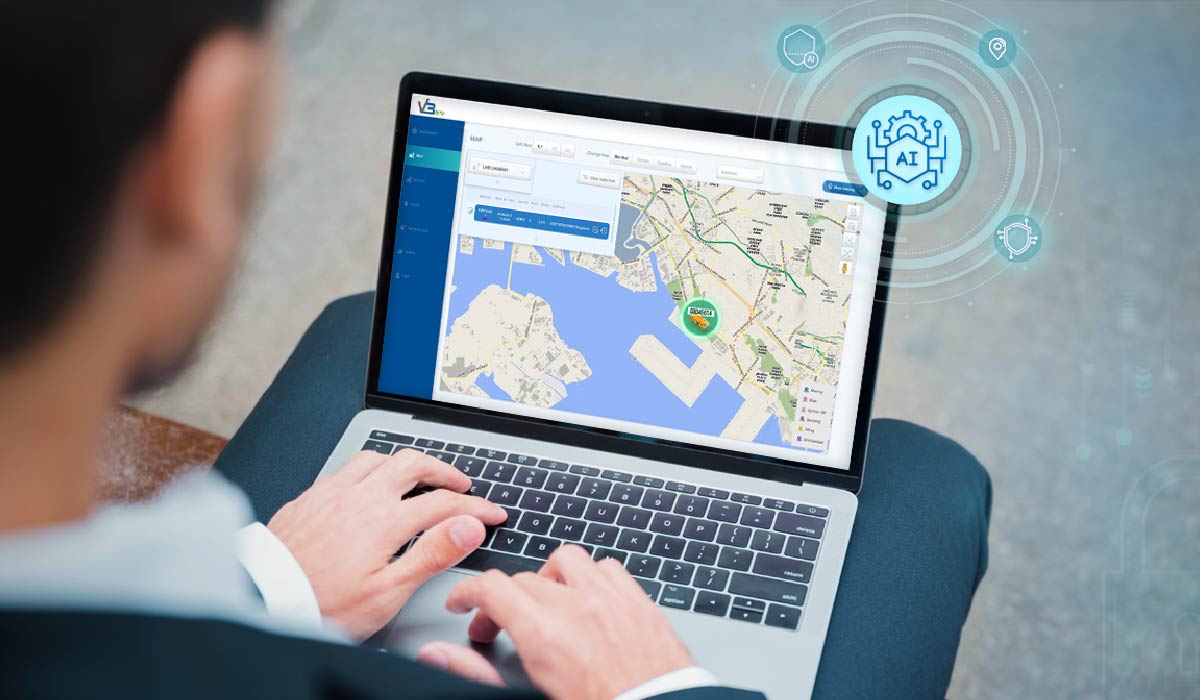
Tracqueur systems can be grouped into several major categories based on their purpose and application. One common type is GPS and location tracqueur systems. These systems are used for vehicle tracking, child safety monitoring, fleet management, and asset tracking. They rely on satellite positioning technology to provide real-time location updates and improve operational efficiency.
Another category includes digital analytics tracking tools. These systems are widely used by businesses to track website traffic, monitor user behavior, measure conversion rates, and gather marketing insights. By analyzing digital interactions, companies can improve customer experience and optimize performance.
Activity and performance tracqueur systems focus on personal or professional monitoring. Fitness trackers monitor steps, heart rate, and exercise routines, while productivity tracking tools measure employee performance and work patterns. Habit tracking applications also fall into this category, helping users monitor personal goals.
Security and surveillance tracker systems are designed to enhance safety. These include CCTV monitoring, access control systems, and real-time alert systems that notify users of unusual activity. Together, these categories demonstrate how tracqueur systems serve different needs while maintaining the same core purpose of tracking and analyzing information.
Key Features of Tracqueur Systems
Tracqueur systems are designed with several important features that improve usability and effectiveness. Real-time tracking is one of the most essential features. It allows users to receive instant updates about location or activity. GPS accuracy and live monitoring dashboards ensure that the information provided is current and reliable.
Geofencing technology is another powerful feature. It allows users to create virtual boundaries around specific areas. When a tracked device enters or leaves these boundaries, alerts are triggered. This feature is especially useful for businesses managing fleets and parents monitoring children.
Data analytics and reporting capabilities allow tracqueur systems to go beyond simple tracking. They analyze trends, generate performance metrics, and store historical records for review. This enables users to identify patterns and make informed decisions based on accurate data.
Custom alerts and notifications further enhance functionality. Users can receive personalized updates, speed alerts, or emergency notifications depending on their preferences. Cloud integration ensures mobile access, remote management, and multi-device syncing, making tracqueur systems accessible from anywhere. These features combine to create powerful and practical monitoring solutions.
How Tracqueur Works
Tracqueur systems operate through a structured process that begins with data collection. Devices gather information using GPS signals, sensors, or digital user activity. This data may include location coordinates, movement patterns, or behavioral metrics depending on the system’s purpose.
Once collected, the data is transmitted through the internet or secure cloud servers. This transmission ensures that the information is updated continuously and can be accessed remotely. Advanced analytics engines then process the data, organizing it into meaningful patterns and reports.
The processed information is displayed on user-friendly dashboards or mobile applications. These interfaces allow users to view live updates, historical records, and performance summaries in an easy-to-understand format. Notifications and alert systems operate alongside this interface, sending instant updates when predefined conditions are met.
This step-by-step process ensures that tracqueur systems provide reliable, timely, and accurate information. By combining data collection, transmission, processing, and presentation, these systems deliver insights that support decision-making and enhance operational efficiency.
Applications of Tracqueur in Different Industries
Tracqueur systems are widely used across multiple industries due to their flexibility and reliability. In logistics and transportation, fleet tracking systems help companies monitor vehicles, optimize routes, and manage deliveries efficiently. Real-time location updates reduce delays and improve supply chain management.
In business and digital marketing, tracqueur tools analyze website traffic and user engagement. By tracking visitor behavior, companies can refine marketing strategies and improve customer experience. Performance improvement becomes possible through measurable data insights.
Healthcare and fitness industries also benefit from tracqueur technology. Health tracking devices monitor physical activity, heart rate, and sleep patterns. Remote patient monitoring systems allow healthcare providers to observe patient data from a distance, improving care and response times.
Education and productivity sectors use tracking systems to monitor learning progress and time management. Habit tracking applications help students and professionals stay organized and focused. In personal and family safety, child tracking and elderly monitoring systems provide reassurance through emergency alerts and real-time updates. These diverse applications demonstrate how tracqueur systems adapt to various needs in modern society.
Benefits of Using Tracqueur
The benefits of using tracqueur systems are significant and practical. Improved safety and security are among the most important advantages. Real-time awareness allows users to respond quickly to emergencies and prevent theft or loss. Tracking logs provide valuable information that supports investigation and accountability.
Better decision-making is another key benefit. Data-driven insights help organizations and individuals understand performance patterns. By analyzing tracking data, users can identify areas for improvement and adjust strategies accordingly.
Increased efficiency results from optimized routes, improved time management, and streamlined operations. Businesses can reduce downtime and maximize productivity through accurate tracking information. Cost savings also play a major role. By reducing operational losses and improving resource allocation, tracqueur systems contribute to long-term financial stability.
Accountability and transparency are strengthened through measurable results and clear records. Whether used for business operations or personal tracking, tracqueur systems create a reliable framework for monitoring progress and maintaining responsibility.
Privacy and Data Security Concerns
While tracqueur systems offer many advantages, privacy and data security concerns must be addressed carefully. Tracking systems often collect sensitive information, including location data and behavioral patterns. Without proper safeguards, this data could be misused or exposed.
Personal privacy concerns are especially important when tracking involves individuals. Ethical use of tracking systems requires transparency and informed consent. Users should understand what data is collected and how it will be used.
Compliance with regulations is essential for organizations using tracqueur systems. Data protection laws require secure storage and responsible handling of information. Encryption technologies help protect data during transmission and storage, reducing the risk of unauthorized access.
Balancing monitoring benefits with privacy protection is critical. By implementing strong security measures and respecting user rights, tracqueur systems can operate responsibly while maintaining trust and credibility.
How to Choose the Right Tracqueur System
Selecting the right tracqueur system requires careful evaluation of needs and priorities. Identifying your purpose is the first step. Personal use may focus on fitness or family safety, while business use may require fleet management or digital analytics tools.
Accuracy and reliability are crucial factors. GPS precision and system stability determine the quality of tracking results. A reliable system ensures consistent performance without frequent technical issues.
Security features must also be examined closely. Encryption and strong data protection measures safeguard sensitive information. Considering cost and scalability is important for long-term planning. Businesses should select systems that can grow with expanding operations.
User interface and ease of use significantly affect overall experience. A clear and simple dashboard allows users to access information quickly and efficiently. By evaluating these factors, individuals and organizations can select tracqueur systems that meet their specific requirements.
Future of Tracqueur Technology
The future of tracqueur technology is closely linked to advancements in artificial intelligence and machine learning. AI integration will enable systems to predict patterns and automate decision-making processes. Machine learning analytics will improve accuracy by identifying trends more effectively.
Smart city tracking systems are expected to expand, connecting transportation, infrastructure, and public safety systems. IoT connectivity will link multiple devices, creating seamless data exchange between sensors and monitoring platforms.
Automation will further simplify tracking processes, reducing manual intervention. Predictive tracking systems may anticipate risks before they occur, improving safety and operational efficiency. As technology evolves, tracqueur systems will continue to adapt and become more intelligent.
Why Tracqueur Is Becoming Essential in a Data-Driven World
In a data-driven world, digital monitoring has become a fundamental necessity. Real-time insights allow organizations to respond quickly to changing conditions. Competitive advantage often depends on access to accurate and timely information.
Modern security needs also require reliable tracking solutions. From protecting assets to monitoring performance, tracequeur systems provide essential support. The growth of smart technology and connected devices has further increased demand for advanced tracking tools.
As industries rely more heavily on data analysis, tracqueur systems have become central to operations. Their ability to collect, process, and present information efficiently makes them indispensable in today’s environment.
Conclusion
Tracqueur represents a powerful concept built around tracking and monitoring technologies. It encompasses GPS devices, digital analytics tools, activity monitoring systems, and security platforms. By collecting and analyzing data, tracqueur systems help individuals and organizations make informed decisions.
The importance of tracqueur continues to grow as real-time data becomes essential for safety, productivity, and efficiency. From logistics and healthcare to digital marketing and personal monitoring, its applications are diverse and impactful.
As technology advances, tracqueur systems will become even more intelligent and integrated into daily life. Understanding how they work and using them responsibly ensures maximum benefit while maintaining privacy and security. In a world shaped by data, tracequeur systems play a vital role in supporting progress and informed decision-making.
Amazing Biography And Celebrity Stories At Good Time Magazine