
Blog
Zimmerkamine Guide: Powerful Fireplace Without Chimney

What Is Zimmerkamine?
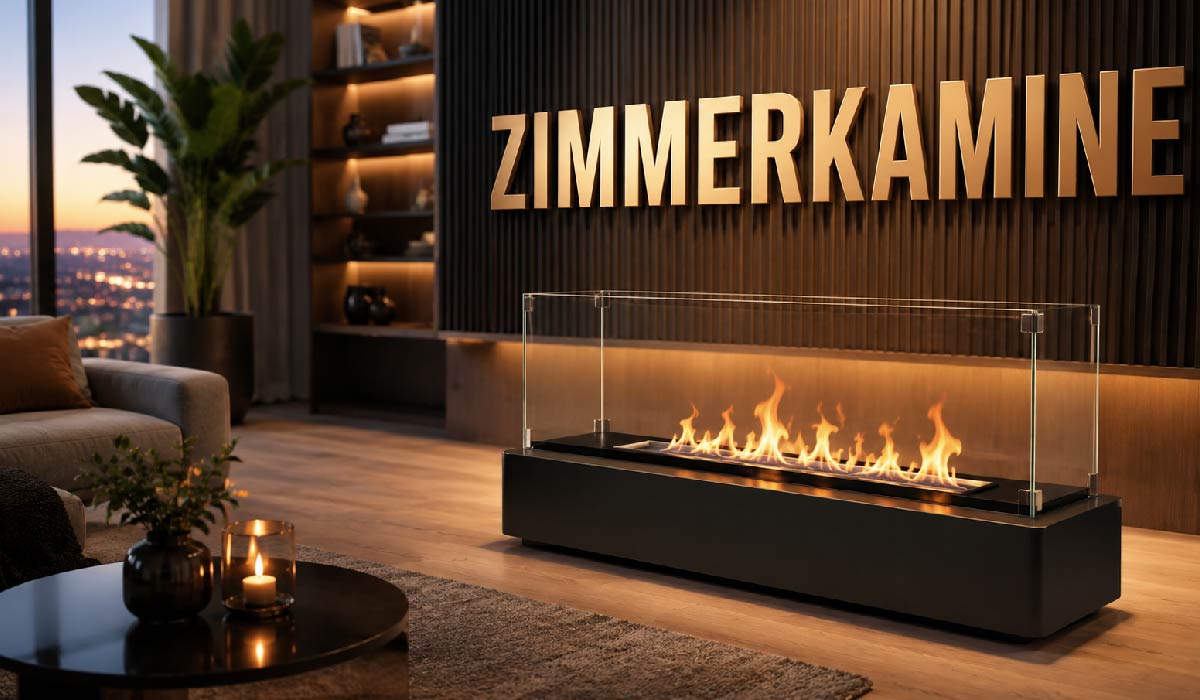
Zimmerkamine is a chimney-free indoor fireplace designed for modern homes, apartments, and living spaces. It includes bioethanol, electric, water vapour, gel, and other fireplace solutions that provide decorative flames and supplemental heating without major installation. Zimmerkamine offers the atmosphere of a traditional fireplace while avoiding the need for a chimney or complex construction work.
Introduction
Zimmerkamine is becoming one of the most searched fireplace solutions among homeowners and apartment residents who want the comfort of a fireplace without the challenges of traditional installation. Many people love the idea of sitting in front of a warm and inviting fire, especially during colder months. However, modern living often creates limitations. Apartments, rented properties, and newer homes may not have a chimney, and building a traditional fireplace can be expensive, complicated, and sometimes impossible. This has created strong demand for alternative indoor fireplace options that are easy to install and simple to use.
The popularity of Zimmerkamine has also grown because of changing interior design trends. Modern homeowners want living spaces that feel warm, stylish, and comfortable. A fireplace naturally becomes the center of a room, creating a relaxing atmosphere that improves both appearance and comfort. Unlike traditional fireplaces, many Zimmerkamine models require little or no construction work, making them ideal for people who want quick results without major renovations. This convenience has attracted homeowners, renters, and interior designers alike.
Today, Zimmerkamine is widely used across Europe, the United States, Canada, and Australia. Consumers appreciate its flexibility, modern designs, and variety of fuel options. Whether someone wants real flames, decorative lighting effects, or supplemental heating, there is usually a suitable model available. In this article, we will explore the meaning of Zimmerkamine, how it works, its different types, advantages, limitations, safety considerations, costs, installation methods, regulations, and how to choose the right model for your home.
What Does Zimmerkamine Mean? Simple Explanation for Beginners
The word Zimmerkamine comes from the German language. It combines two words that describe its purpose very clearly. The word “Zimmer” means room, while the word “Kamin” means fireplace. When these two words are combined, they create a term that can be translated as “room fireplace” or “indoor fireplace.” The name reflects the idea of a fireplace designed specifically for indoor living spaces without the traditional requirements associated with wood-burning systems.
Many beginners assume that Zimmerkamine refers to a single product. In reality, it is an umbrella term that covers several different types of indoor fireplaces. Electric fireplaces, bioethanol fireplaces, water vapour fireplaces, and some decorative heating systems can all fall under the broader Zimmerkamine category. The common feature among these products is that they are designed for indoor use and usually avoid the need for a traditional chimney system.
A simple example helps explain the concept. Imagine living in a small apartment on the fifth floor of a building. Installing a traditional fireplace would be unrealistic because there is no chimney, and major structural changes would be required. A Zimmerkamine allows you to enjoy a fireplace-like experience in the same apartment without construction work. This combination of convenience, style, and flexibility is one of the main reasons why Zimmerkamine continues to gain popularity among modern homeowners and renters.
How Zimmerkamine Works Without a Chimney
One of the most interesting aspects of Zimmerkamine is its ability to create a fireplace experience without requiring a chimney. Traditional fireplaces burn wood or other solid fuels that produce smoke, ash, soot, and gases. These by-products must be removed through a flue or chimney system. Without proper ventilation, the smoke and gases would accumulate inside the home. Zimmerkamine avoids this problem by using alternative technologies that either produce very clean combustion or eliminate combustion altogether.
Bioethanol fireplaces use a specially formulated liquid fuel that burns much more cleanly than wood. When bioethanol burns correctly, it primarily produces water vapour and carbon dioxide rather than smoke or soot. This clean-burning process allows many models to operate without a chimney. However, because oxygen is consumed during combustion, proper room ventilation remains important. Opening a window slightly while using a bioethanol fireplace helps maintain healthy indoor air quality.
Electric Zimmerkamine operates in a completely different way. Instead of burning fuel, they use electricity to create flame effects through LED lights, mirrors, projections, or water vapour technology. Since there is no combustion, there is no smoke, ash, or need for a flue. Compared to traditional fireplaces, these systems offer significantly easier installation, lower maintenance requirements, and greater flexibility for modern homes where structural modifications may not be practical.
Types of Zimmerkamine – Complete Guide (With Pros & Cons)
Zimmerkamine is available in several forms, each designed to meet different needs, preferences, and budgets. Understanding these variations is important because no single fireplace type is perfect for every home. Some people prioritize realistic flames, while others focus on heating performance, safety, or ease of maintenance. Knowing the strengths and weaknesses of each option can help buyers make a more informed decision and avoid disappointment after purchase.
Bioethanol Zimmerkamine uses plant-based liquid fuel to create real flames without smoke or ash. The biggest advantage is the authentic appearance of the fire combined with simple installation. These fireplaces are popular among people who want a genuine flame effect. However, fuel costs can become expensive over time, and ventilation remains necessary during operation.
Electric Zimmerkamine creates flame effects using LED technology and often includes a built-in heater. These models are easy to operate, highly safe, and suitable for homes with children or pets. The main disadvantage is that the flames are artificial, although modern designs can appear very realistic.
Water Vapour Zimmerkamine uses illuminated mist to create three-dimensional flame effects. The flames remain cool to the touch, making them extremely safe. The downside is the higher purchase price and the need for distilled water refills. Gel Zimmerkamine uses pre-filled fuel containers that simplify operation but often cost more per hour. Pellet Zimmerkamine offers genuine heating power and high efficiency, but unlike most Zimmerkamine options, it usually requires a chimney and more complex installation.
Zimmerkamine vs Traditional Fireplace – Key Differences
Zimmerkamine and traditional fireplaces serve a similar purpose, but they are very different in how they are installed, used, and maintained. A traditional fireplace usually requires a chimney, structural changes, and professional installation. It involves building work, inspections, and long-term commitments. In contrast, most Zimmerkamine models are designed for simplicity. Many can be placed directly in a room without construction, making them ideal for modern living spaces where flexibility is important.
Cost is another major difference between the two options. A traditional fireplace can cost thousands of dollars or euros due to installation, materials, and labor. In comparison, a basic Zimmerkamine can be purchased at a much lower price and set up quickly. Maintenance also varies significantly. Traditional fireplaces require regular cleaning, chimney inspections, and fuel storage, while most Zimmerkamine need minimal care such as occasional cleaning or refilling fuel.
Safety and flexibility further separate these options. Traditional fireplaces involve open flames, smoke, and higher risk factors, while electric and water vapour Zimmerkamine offer safer alternatives. In terms of heating power, traditional fireplaces are stronger, but Zimmerkamine provides enough warmth for comfort and ambiance. Overall, Zimmerkamine offers a modern, convenient, and flexible solution compared to traditional fireplace systems.
Benefits of Using Zimmerkamine at Home
Zimmerkamine provides several advantages that make it highly attractive for modern homeowners and renters. One of the biggest benefits is easy installation. Unlike traditional fireplaces, there is no need for construction, chimney systems, or professional approval in most cases. This makes it possible for anyone to enjoy a fireplace experience without making permanent changes to their property.
Another important benefit is flexibility. Many Zimmerkamine models are portable, meaning they can be moved from one room to another as needed. This is especially useful for people living in apartments or rented homes where permanent installations are not allowed. The space-saving design also makes it suitable for small rooms where traditional fireplaces would not fit.
Safety and convenience are also key advantages. Electric and water vapour models provide a flame-like effect without real fire, reducing risks for children and pets. In addition, Zimmerkamine serves both decorative and functional purposes. It enhances the visual appeal of a room while also providing a sense of warmth and comfort. For renters, interior design lovers, and people seeking a cozy atmosphere without complications, Zimmerkamine offers a simple and practical solution.
Limitations You Must Know Before Buying
Although Zimmerkamine offers many advantages, it is important to understand its limitations before making a purchase. One of the most common concerns is heating capability. Bioethanol and gel models produce real flames but do not generate enough heat to warm large rooms effectively. They are better suited for ambiance rather than primary heating.
Running costs can also be a limitation. Bioethanol fuel can be expensive over time, especially if used regularly. Electric models may increase electricity bills when the heating function is used frequently. Water vapour fireplaces, while visually impressive, may require regular maintenance such as refilling distilled water and occasional cleaning to maintain performance.
Another limitation is the realism of flames in some models. Electric fireplaces may not fully replicate the look and feel of real fire, although newer technologies have improved significantly. Pellet-based systems offer better heating performance, but they require more complex installation and often need a chimney. Understanding these limitations helps buyers set realistic expectations and choose the right type of Zimmerkamine based on their specific needs.
Safety Guidelines – Avoid Dangerous Mistakes
Safety is one of the most important factors when using any type of Zimmerkamine. While many models are designed to be safe, improper use can still lead to serious risks. Bioethanol fireplaces require careful handling because the fuel is highly flammable. It is essential never to refill the burner while it is still hot or burning. Always wait until the unit has completely cooled down before adding fuel, and ensure there are no spills before ignition.
Proper ventilation is also necessary when using bioethanol or gel fireplaces. These models consume oxygen and release carbon dioxide, so keeping a window slightly open helps maintain air quality. Electric fireplaces are generally safer, but users must ensure proper wiring and avoid exposure to water. Using the correct power source and avoiding damaged cables is essential for safe operation.
General safety rules apply to all types of Zimmerkamine. Maintain a safe distance of at least 80 to 100 centimeters from flammable materials such as curtains, furniture, and paper. Keep the unit out of reach of children and pets whenever possible. Following these simple safety guidelines can prevent accidents and ensure a safe and enjoyable fireplace experience.
Is Zimmerkamine Safe for Apartments and Families?
Zimmerkamine can be safe for apartments and families, but the level of safety depends on the type chosen. Electric and water vapour models are considered the safest options because they do not involve real flames or combustion. These models are ideal for households with children and pets, as they reduce the risk of burns and fire hazards.
Bioethanol and gel fireplaces, while visually appealing, require more caution. They produce real flames and must be handled carefully. For families with young children, these types may not be the best choice unless strict safety measures are followed. Placement is also important, as the fireplace should be positioned in a secure area where it cannot be easily touched or knocked over.
For apartment living, Zimmerkamine offers a practical solution because it usually does not require structural changes or permission. However, users should always check local regulations or rental agreements before installation. Choosing the right type based on safety needs ensures that families can enjoy the benefits of a fireplace without unnecessary risks.
Heating Capability – Can Zimmerkamine Warm a Room?
Zimmerkamine can provide warmth, but its heating capability depends on the type of fireplace used. Bioethanol models produce real flames and some heat, but their output is generally low and suitable only for nearby comfort rather than heating an entire room. They are best used for creating atmosphere rather than serving as a primary heat source.
Electric Zimmerkamine offers more practical heating options. Many models include built-in heaters with adjustable settings that can warm small to medium-sized rooms. Typically, an electric fireplace can effectively heat a space of around 15 to 20 square meters, making it useful as a supplemental heating solution during colder months.
Pellet-based systems provide the highest heating performance among Zimmerkamine types. These models can heat larger areas and even support central heating systems in some cases. However, they require more installation effort and are closer to traditional heating systems. Overall, Zimmerkamine should be viewed as a combination of decorative and supplemental heating rather than a replacement for central heating in most homes.
Zimmerkamine Cost Breakdown (Buying + Running Costs)
The cost of Zimmerkamine varies widely depending on the type, design, and features. Basic electric models can start at around $50, making them accessible for most buyers. Mid-range options, including bioethanol and advanced electric units, typically range from $200 to $600. High-end models, especially water vapour or designer fireplaces, can cost over $2,500.
Running costs also differ based on the type of fireplace. Bioethanol models require fuel, which can cost between $2 and $4 per hour depending on usage. Electric fireplaces are generally more affordable to run, with costs depending on electricity rates and whether the heater is used. Maintenance costs are usually low, especially for electric models that require minimal upkeep.
Budget planning is important when choosing a Zimmerkamine. Buyers should consider both the initial purchase price and long-term operating costs. Selecting a model that matches usage habits and budget ensures better value over time and avoids unexpected expenses.
Installation Guide – How to Set Up Zimmerkamine
Installing a Zimmerkamine is usually simple compared to traditional fireplaces. Electric models are the easiest to set up. They require only a power outlet and proper placement. Once plugged in, they can be used immediately without any additional setup.
Bioethanol fireplaces require slightly more attention during setup. Users must place the unit on a stable surface and fill the burner carefully with the recommended fuel. Ensuring proper ventilation and safe positioning is important before lighting the flame. Wall-mounted models may require basic fixing using brackets, but this process is still much simpler than traditional installations.
Safety placement is a key factor during installation. The fireplace should be positioned away from flammable materials and in a location that allows proper airflow. One of the main advantages of Zimmerkamine is that no construction work is needed in most cases. This makes it an excellent choice for people who want a quick and hassle-free fireplace solution.
Design Styles and Placement Ideas
Zimmerkamine is available in a wide range of designs that suit different interior styles. Freestanding models are popular because they can be placed anywhere in a room and moved easily when needed. These designs often resemble traditional stoves or modern decorative units.
Wall-mounted fireplaces are another popular option, especially in contemporary homes. They create a clean and stylish look while saving floor space. Built-in models offer a more traditional appearance by integrating the fireplace into walls or furniture, creating a permanent focal point in the room.
Room divider fireplaces are ideal for open spaces, as they separate areas while maintaining visual flow. Glass models provide a modern and elegant appearance with flames visible from multiple angles. Choosing the right design and placement can enhance the overall look of a room and create a cozy and inviting atmosphere.
Maintenance and Cleaning – Easy Care Guide
One of the biggest advantages of Zimmerkamine is its low maintenance requirements. Bioethanol fireplaces need occasional cleaning of the burner to remove any residue. This can usually be done with a simple damp cloth, making it quick and easy.
Electric fireplaces require even less maintenance. Dusting the vents and ensuring proper airflow is usually enough to keep the unit functioning properly. Gel fireplaces may need light cleaning after use, but overall maintenance remains minimal.
Pellet-based systems require more attention, including regular cleaning and occasional professional servicing. However, compared to traditional fireplaces, most Zimmerkamine options are much easier to maintain. This makes them a convenient choice for people who want the fireplace experience without the effort of regular cleaning and upkeep.
Country Regulations You Should Know (Important for Buyers)
Regulations for Zimmerkamine vary depending on the country, but in most cases, they are less strict than those for traditional fireplaces. In the United Kingdom, bioethanol and electric fireplaces are generally legal, but ventilation requirements must be followed. In the United States, there are no strict federal rules, but local building codes and certifications may apply.
Canada has specific guidelines for fuel storage, especially for bioethanol. Australia has some of the strictest regulations, including requirements for minimum size and stability to ensure safety. These rules are designed to reduce risks and ensure safe usage.
In most situations, Zimmerkamine does not require special permission or approval, especially for electric models. However, it is always a good idea to check local regulations before purchasing or installing a fireplace to avoid any legal issues.
Common Mistakes People Make When Buying Zimmerkamine
Many people make simple mistakes when buying Zimmerkamine, which can lead to disappointment later. One common mistake is choosing the wrong type based on appearance rather than function. For example, selecting a bioethanol model for heating can lead to dissatisfaction due to its limited heat output.
Ignoring safety guidelines is another serious mistake. Improper use of fuel or poor placement can create risks. Some buyers also overestimate the heating capability of certain models, expecting them to replace central heating systems.
Incorrect placement is another issue that affects both safety and effectiveness. Placing the fireplace too close to flammable materials or in poorly ventilated areas can create problems. Finally, ignoring running costs can lead to higher expenses over time. Avoiding these mistakes helps ensure a better experience with Zimmerkamine.
How to Choose the Right Zimmerkamine for Your Needs
Choosing the right Zimmerkamine requires careful consideration of personal needs and preferences. The first question to ask is whether you want real flames or simulated ones. Bioethanol provides real fire, while electric models offer safe and convenient alternatives.
Safety is another important factor. Households with children or pets should consider electric or water vapour models. Heating needs should also be evaluated. If the goal is decorative ambiance, most models will work. For additional warmth, electric or pellet systems may be better choices.
Budget plays a significant role as well. Buyers should consider both the initial cost and long-term expenses. By answering these key questions, it becomes easier to select a Zimmerkamine that fits both lifestyle and practical needs.
Who Should Buy a Zimmerkamine?
Zimmerkamine is suitable for a wide range of people. Apartment owners and renters benefit the most because they can enjoy a fireplace without making permanent changes. Interior design enthusiasts also appreciate the aesthetic value that a fireplace adds to a room.
People living in small spaces find Zimmerkamine useful because of its compact and flexible design. It is also ideal for those who want a cozy and relaxing environment without the complexity of traditional fireplaces.
Overall, anyone looking for a simple, stylish, and convenient way to add warmth and ambiance to their home can benefit from Zimmerkamine.
Future Trends – Why Zimmerkamine Will Keep Growing
The future of Zimmerkamine looks promising as technology continues to improve. Smart fireplaces with remote control and mobile app integration are becoming more common. Some models now include advanced features such as programmable settings and automatic temperature control.
Eco-friendly fuels and energy-efficient designs are also gaining attention. As environmental concerns grow, manufacturers are focusing on cleaner and more sustainable options. Realistic flame technology continues to evolve, making electric and water vapour models more convincing than ever.
With the rise of urban living and smaller homes, the demand for flexible and easy-to-install fireplace solutions will continue to increase. Zimmerkamine is well-positioned to meet these needs in the future.
Final Thoughts
Zimmerkamine offers a modern solution for people who want the comfort and beauty of a fireplace without the challenges of traditional systems. It combines convenience, style, and flexibility in a way that suits modern living spaces.
While it may not replace central heating or provide the same experience as a wood-burning fireplace, it delivers a unique blend of atmosphere and practicality. The key is to choose the right type based on personal needs, budget, and safety considerations.
For many people, Zimmerkamine is more than just a decorative feature. It creates a warm and inviting environment that enhances everyday living. With proper selection and safe use, it can be a valuable addition to any home.
(FAQs)
What is Zimmerkamine?
Zimmerkamine is a chimney-free indoor fireplace designed for modern homes. It can use bioethanol, electricity, or water vapour to create flame effects without requiring a traditional chimney or complex installation.
Do Zimmerkamine need a chimney?
No, most Zimmerkamine does not need a chimney. Electric, bioethanol, and water vapour models work without smoke or ash, so they can be used easily in apartments and modern homes.
Which type of Zimmerkamine is safest?
Electric and water vapour Zimmerkamine are the safest options. They do not produce real flames, making them ideal for homes with children, pets, or small living spaces.
Can Zimmerkamine heat a room?
Some Zimmerkamine can provide heat, especially electric models with built-in heaters. They can warm small to medium rooms, usually around 15–20 square meters, as supplemental heating.
Is Zimmerkamine allowed in apartments?
Yes, Zimmerkamine is usually allowed in apartments because it does not require construction or a chimney. However, it is always good to check local rules or rental agreements before using one.
Is bioethanol Zimmerkamine dangerous?
Bioethanol models are safe if used correctly. Users must follow safety rules like proper ventilation, careful fuel handling, and never refilling while the burner is hot to avoid accidents.
How much does Zimmerkamine cost?
The price of Zimmerkamine starts from around $50 for basic electric models and can go above $2,500 for premium designs. Running costs depend on fuel type and usage.
What is the best Zimmerkamine for beginners?
Electric Zimmerkamine is best for beginners because it is easy to use, safe, and requires no fuel handling. It offers a simple way to enjoy a fireplace without risk or maintenance.
For more amazing news and stories, visit Good Time Magazine

How Does HARDVOGUE Provide Customized Solutions for Label Materials?

SOKANY Small Appliance Brand Development Trends: A Guide for Distributors
How Smart Hydraulics Are Transforming Aviation Maintenance

Seasonal Digital Marketing: Making the Most of Ramadan and Key Shopping Periods

Seasonal Security: Preparing for Ramadan, Hajj Season, and Peak Periods in Saudi Arabia

How Effective Treasury Management Helps UAE Businesses Manage Cash Flow Risk

Polyimide Flexible PCB Fabrication: The Backbone of Lightweight and Durable Electronics

Communicating Across Cultures in a Diverse Workplace

Pyjamaspapper: Meaning, History and Cozy Lifestyle Guide

Meet Dorothy Bowles Ford: What Happened to Harold Ford Sr.’s Ex-Wife?

Who Is Jan Ashley? The Untold Story Of Robert Kardashian’s Ex-Wife

Who Is Charles Donald Fegert? Shocking Truth About Barbara Eden’s Ex-Husband

Josh Winterhalt: The Private Life of Sarah Wayne Callies’ Husband

Sharon Mobley Stow: The Private Life Behind Jim Acosta’s Ex-Wife

Who Is Harlene Rosen? The Untold Story Of Woody Allen’s Ex-Wife
