
Food & Nutrition
Koriandri Benefits and Uses: The Powerful Herb Guide for Health and Cooking

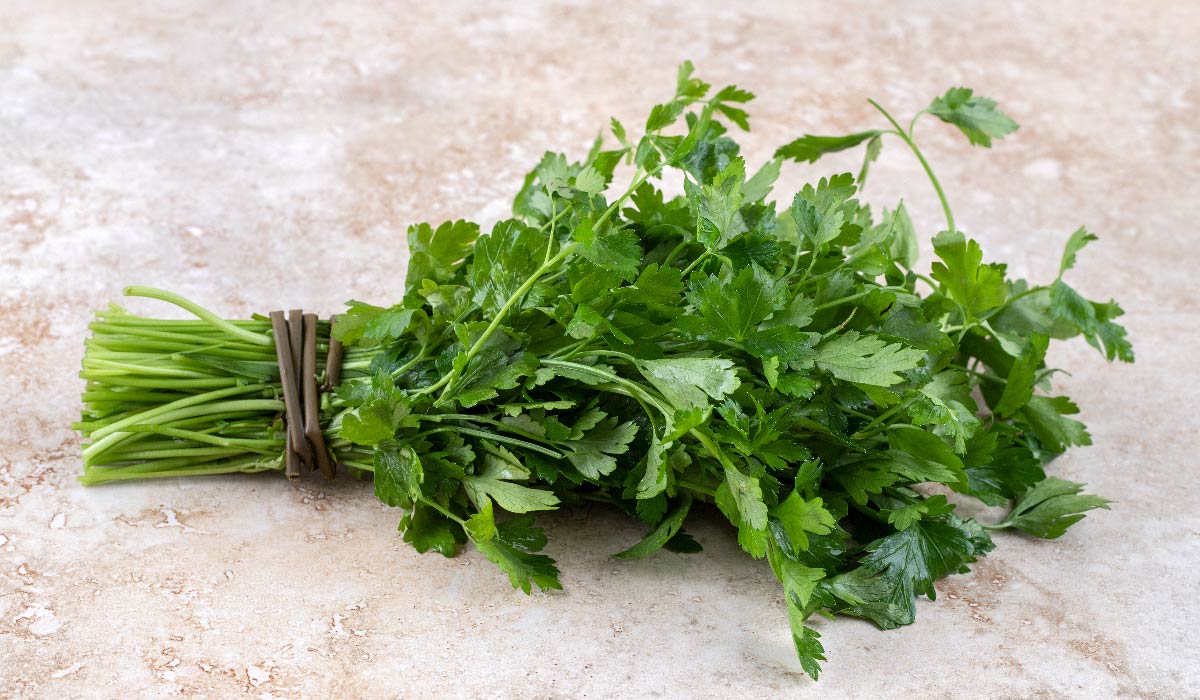
What Is Koriandri?
Koriandri is the herb scientifically known as Coriandrum sativum, a versatile plant used for both its fresh leaves, called cilantro, and its dried seeds, known as coriander. It is widely used in global cuisines and valued for its fresh, citrusy leaves and warm, nutty seeds. Koriandri is an aromatic culinary and wellness herb used worldwide for flavor and traditional health support.
Introduction
Koriandri is one of the most widely used herbs in the world, appreciated for its fresh flavor, rich aroma, and deep cultural roots. Found in kitchens across Asia, India, the Middle East, Europe, and Latin America, this simple green herb has shaped traditional dishes for thousands of years. From spicy curries to refreshing salsas and comforting soups, coriander adds brightness and balance to meals in a way few herbs can. Its popularity continues to grow because it offers both taste and nutrition in one plant.
One of the most unique things about koriandri is that it provides two completely different flavors from the same plant. The leaves, commonly called cilantro, have a light, citrusy, and slightly peppery taste. The seeds, known as coriander, offer a warm, nutty, and mildly sweet flavor. This contrast makes the herb highly flexible in cooking. Beyond flavor, koriandri is also valued for its vitamins, minerals, and natural plant compounds that support overall wellness.
Another reason for its importance is how easy it is to grow. It can thrive in home gardens, balconies, and even small kitchen pots. This complete guide explores everything you need to know about koriandri, from history and health benefits to growing and cooking tips.
Botanical Overview of Koriandri
Koriandri, scientifically classified as Coriandrum sativum, belongs to the Apiaceae family. This plant family also includes parsley, carrots, celery, and fennel. It is an annual herb, which means it completes its entire life cycle within one growing season. From seed to leaf, flower, and seed again, the process usually takes only a few months, making it a fast and productive herb for gardeners.
The plant typically grows between 30 and 60 centimeters in height, depending on climate and soil quality. It has soft, feathery green leaves that resemble flat-leaf parsley. The stems are slender and delicate, yet strong enough to support the plant’s light structure. When koriandri matures, it produces small white or pale pink flowers that grow in umbrella-shaped clusters known as umbels. These flowers later develop into small, round fruits. When dried, these fruits become the coriander seeds used as a spice.
Every part of the plant is edible, including the leaves, stems, roots, and seeds. In some Asian cuisines, even the roots are used for flavoring soups and broths. This botanical flexibility makes koriandri both practical and valuable in cooking and agriculture.
Cilantro vs Coriander
The naming of koriandri often creates confusion, especially when reading international recipes. In North America, the fresh leaves and stems are called cilantro, while the dried seeds are referred to as coriander. This distinction helps cooks know which part of the plant to use. When a recipe calls for cilantro, it means fresh leaves. When it mentions coriander, it usually refers to the dried seeds or ground spice.
In many other parts of the world, including Europe, Asia, and Australia, the word coriander is used for the entire plant. Both the leaves and seeds are simply called coriander, and the context of the recipe explains which form is needed. This difference in terminology can lead to misunderstandings, especially in global cooking blogs and cookbooks.
Understanding this naming difference is important not only for cooking but also for search engine optimization. Many people search for “cilantro benefits” while others search for “coriander benefits,” even though they are referring to the same plant. Using both terms in a balanced way helps reach a wider audience and improves clarity for readers worldwide.
Origins and Historical Journey of Koriandri
Koriandri has a long and impressive history that dates back more than 8,000 years. It is native to the Mediterranean region and parts of Southwest Asia. Archaeological findings show that koriandri seeds were discovered in ancient Egyptian tombs, including that of King Tutankhamun. This suggests that the herb was valued not only for food but also for ritual and medicinal purposes.
The ancient Greeks and Romans also used koriandri extensively. They added it to wine, bread, and meat dishes. Roman traders carried the seeds across Europe as they expanded their empire. As trade routes developed between continents, koriandri spread further east to India and China and later west to the Americas.
In India, it became a foundation of spice blends such as garam masala. In China, it was integrated into soups and stir-fries. In Latin America, cilantro became essential in salsas and traditional dishes. This wide adoption across cultures transformed koriandri into a truly global herb, respected for both flavor and wellness throughout history.
Names of Koriandri Around the World
Koriandri is known by many names, reflecting its global popularity. In the United States and Latin America, the leaves are called cilantro, while the seeds are known as coriander. In India and South Asia, it is called dhania. In Middle Eastern countries, the herb is often referred to as kuzbara. In parts of Asia, especially China, it is known as Chinese parsley because of its appearance and frequent culinary use.
Despite the different names, all of these terms refer to the same plant. The variation in naming shows how deeply rooted koriandri is in different cultures. It has become part of everyday language in many regions, proving its importance in global cooking traditions.
Nutritional Profile of Koriandri
Koriandri is more than a flavorful herb; it is also rich in nutrients. The fresh leaves contain important vitamins such as Vitamin A, Vitamin C, and Vitamin K. Vitamin A supports eye health and immune function. Vitamin C acts as a natural antioxidant that protects the body from damage. Vitamin K plays a vital role in blood clotting and bone health.
The herb also contains essential minerals, including iron, calcium, magnesium, and potassium. Iron supports healthy blood, calcium strengthens bones, magnesium helps muscle function, and potassium supports heart health. Even though koriandri is usually consumed in small amounts, it still adds nutritional value to meals.
In addition to vitamins and minerals, koriandri contains active plant compounds such as flavonoids, terpenes, and antioxidants. One important terpene is linalool, which contributes to its distinctive aroma. These natural compounds support the body’s defense system and may offer protective health benefits when consumed regularly.
Health Benefits of Koriandri
Koriandri has been used in traditional medicine for centuries, and modern studies are beginning to explore its health potential. Digestive Support is one of its most recognized benefits. The seeds are known to help reduce bloating and support the production of digestive enzymes. This makes heavy or spicy meals easier to digest.
Heart Health is another area where koriandri may provide support. Some research suggests it may help maintain balanced cholesterol levels and support healthy blood pressure. While more studies are needed, early findings are promising and indicate that regular consumption may benefit cardiovascular health.
Anti-Inflammatory Effects come from its antioxidant content. These antioxidants help protect cells from oxidative stress, which is linked to aging and chronic disease. Blood Sugar Support is another emerging topic, as some studies suggest coriander seeds may assist in maintaining balanced glucose levels. Detox Claims – What’s Real? While some wellness trends claim strong detox effects, current research supports mild supportive benefits rather than dramatic cleansing effects. It is important to view koriandri as a supportive food rather than a medical treatment.
Why Some People Think Koriandri Tastes Like Soap
One of the most debated aspects of koriandri is its taste. While many people describe it as fresh and citrusy, others say it tastes like soap. This reaction is linked to a gene known as OR6A2. This gene affects how the body detects certain aldehyde compounds found in coriander leaves. These same compounds are also present in some soaps, which explains the unusual taste perception.
Genetics is not the only factor. Cultural exposure also influences taste. People who grow up eating coriander often enjoy its flavor, while those who try it later in life may find it unfamiliar. This combination of biology and experience makes koriandri one of the most interesting herbs in terms of human taste perception.
Culinary Uses of Koriandri
Koriandri is extremely versatile in the kitchen. Fresh leaves, known as cilantro, are often used as a garnish for salads, soups, curries, tacos, and rice dishes. They are usually added at the end of cooking to preserve their fresh taste. The leaves brighten dishes and balance spicy or rich flavors.
The seeds, known as coriander spice, are used whole or ground. Whole seeds are often toasted to release their essential oils before being added to recipes. Ground coriander is a key ingredient in spice blends such as garam masala and curry powder. It pairs well with cumin, garlic, lime, chili, and coconut milk. This flexibility allows koriandri to enhance dishes across many culinary traditions.
Koriandri in Global Cuisines
In Indian cuisine, koriandri is essential in both leaf and seed form. Fresh leaves garnish curries and lentil dishes, while seeds form the base of spice blends. In Mexican cuisine, cilantro is central to salsa, guacamole, and tacos. It’s fresh taste balances heat and richness.
Middle Eastern cooking uses coriander in salads, rice dishes, and meat preparations. In Thai and Vietnamese cuisines, it adds brightness to soups like pho and coconut-based curries. European traditions include coriander in bread and pickling. This wide adoption demonstrates how easily koriandri adapts to different cultural flavors.
How to Grow Koriandri at Home
Growing koriandri at home is simple and rewarding. It prefers cool weather, four to six hours of sunlight, and well-drained soil. Seeds should be sown directly into the soil about half an inch deep. Proper spacing allows each plant to grow fully.
Regular watering is important, but overwatering should be avoided. To prevent bolting, which happens when the plant flowers too early, gardeners can provide partial shade during hot weather and plant new seeds every few weeks. Leaves can be harvested once the plant reaches six inches in height. Seeds are collected after the flowers dry and turn brown.
Common Mistakes When Growing Coriander
Planting in very hot weather often causes early flowering and reduces leaf production. Overwatering can damage roots and weaken plants. Not harvesting regularly slows new growth. Ignoring bolting reduces usable leaves, and poor soil drainage affects plant health. Avoiding these mistakes ensures healthy and productive growth.
How to Store Fresh and Dried Koriandri Properly
Fresh leaves should be wrapped in a damp paper towel and placed in a sealed bag in the refrigerator. Another method is placing stems in a jar of water and loosely covering them. For longer storage, chopped leaves can be frozen in ice cube trays with water or oil.
Coriander seeds should be stored in airtight containers in a cool, dark place. Grinding seeds fresh before use preserves their aroma and flavor.
Modern Trends and Wellness Uses of Koriandri (2026)
In 2026, koriandri continues to grow in popularity within wellness trends. It is added to detox drinks, plant-based meals, and clean eating recipes. Herbal skincare products use coriander extracts for soothing properties. Its essential oil is valued for its calming scent. This modern interest reinforces its traditional value in both food and natural care.
Environmental and Companion Planting Benefits
Koriandri acts as a natural pest repellent in gardens. It attracts beneficial insects that help control harmful pests. When planted near tomatoes and other vegetables, it supports a balanced ecosystem. Its fast growth and minimal resource needs make it a sustainable herb choice for home gardening.
Final Thoughts
Koriandri remains one of the most valued herbs in the world because of its culinary flexibility, nutritional support, and cultural significance. It connects ancient traditions with modern cooking and wellness practices. Easy to grow and simple to use, it fits naturally into everyday life. From fresh leaves to aromatic seeds, koriandri continues to enrich meals and support health across generations, proving that a small herb can have a lasting global impact.
Amazing Biography And Celebrity Stories At Good Time Magazine

How Does HARDVOGUE Provide Customized Solutions for Label Materials?

SOKANY Small Appliance Brand Development Trends: A Guide for Distributors

How Smart Hydraulics Are Transforming Aviation Maintenance

Seasonal Digital Marketing: Making the Most of Ramadan and Key Shopping Periods

Seasonal Security: Preparing for Ramadan, Hajj Season, and Peak Periods in Saudi Arabia

How Effective Treasury Management Helps UAE Businesses Manage Cash Flow Risk

Polyimide Flexible PCB Fabrication: The Backbone of Lightweight and Durable Electronics

Communicating Across Cultures in a Diverse Workplace

Pyjamaspapper: Meaning, History and Cozy Lifestyle Guide

Meet Dorothy Bowles Ford: What Happened to Harold Ford Sr.’s Ex-Wife?

Who Is Jan Ashley? The Untold Story Of Robert Kardashian’s Ex-Wife

Who Is Charles Donald Fegert? Shocking Truth About Barbara Eden’s Ex-Husband

Josh Winterhalt: The Private Life of Sarah Wayne Callies’ Husband

Sharon Mobley Stow: The Private Life Behind Jim Acosta’s Ex-Wife

Who Is Harlene Rosen? The Untold Story Of Woody Allen’s Ex-Wife
