
Blog
Masgonzola Cheese: The Ultimate Creamy Blue Flavor Guide

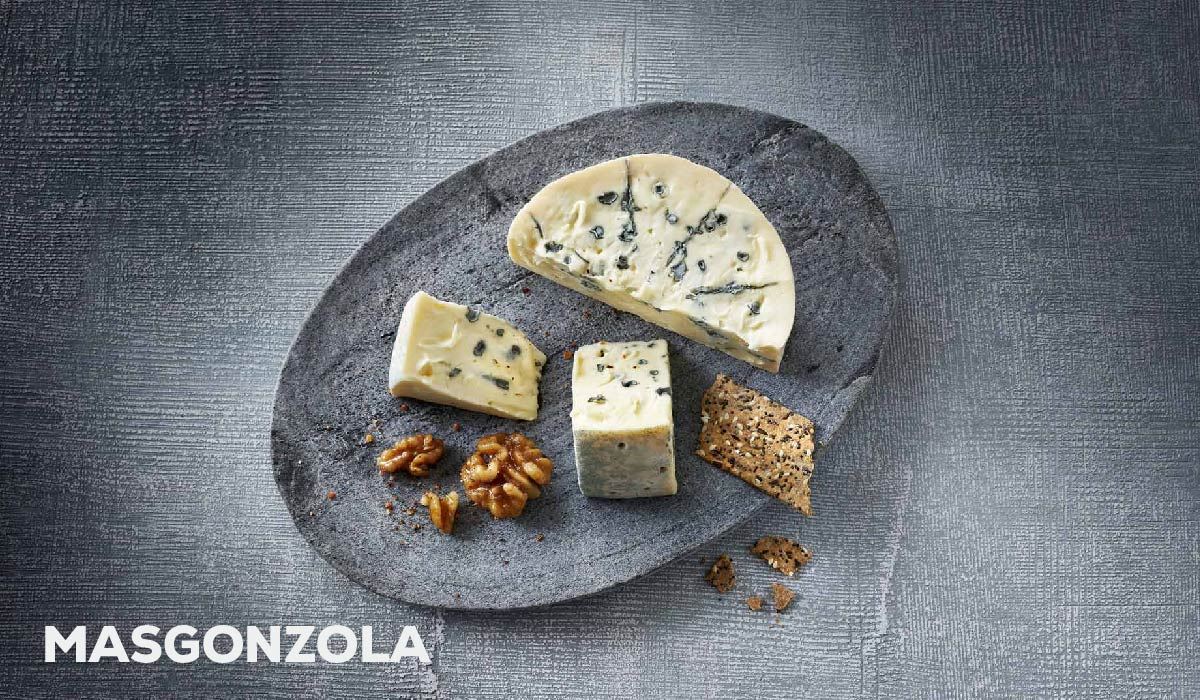
Masgonzola is a modern cheese blend that combines the rich creaminess of mascarpone with the distinctive blue character of gorgonzola, creating a smooth, balanced, and approachable blue cheese experience that appeals to both seasoned cheese lovers and curious beginners.
In recent years, Masgonzola has gained attention in gourmet kitchens, food blogs, and specialty markets because it delivers the flavor complexity of blue cheese without the overpowering sharpness that can discourage some people. As food culture continues to evolve and consumers look for versatile ingredients that offer both comfort and sophistication, Masgonzola stands out as a practical yet indulgent choice.
This guide will explore everything you need to know about Masgonzola, including what it is, where it comes from, how it is made, its texture and flavor, culinary uses, nutritional profile, storage methods, and why it is becoming increasingly popular among home cooks and professional chefs alike.
What Is Masgonzola?
Masgonzola is best described as a creamy blue cheese fusion made by blending mascarpone and gorgonzola into a single, smooth product that balances richness with subtle tang. Unlike traditional blue cheeses that are aged and developed as standalone varieties, Masgonzola is intentionally crafted as a combination, designed to soften the intensity of gorgonzola while preserving its signature blue veining and earthy notes.
It is considered a modern culinary creation rather than a historic cheese variety, and it is typically produced by specialty cheese makers or prepared fresh by chefs who want to achieve a controlled flavor profile. The blend results in a semi-soft cheese that is spreadable when cold and luxuriously creamy when warmed, making it ideal for a wide range of applications in both simple and elaborate dishes.
Is Masgonzola a Real Cheese?
Masgonzola is not a protected designation of origin product and does not carry PDO certification like certain traditional Italian cheeses, which means it does not have legally regulated production standards tied to a specific region.
It is not a traditional protected Italian cheese with centuries of documented history; instead, it is a chef-created or commercially blended product that reflects contemporary culinary creativity. Because it is not bound by strict rules, producers can adjust the ratio of mascarpone to gorgonzola, creating variations in texture and flavor intensity.
This flexibility allows Masgonzola to adapt to modern tastes and cooking styles, making it more accessible to a broader audience while still maintaining authentic Italian flavor influences.
Why It Is Called Masgonzola
The name Masgonzola is a straightforward combination of two cheese names: mascarpone and gorgonzola. Linguistically, it merges “mas” from mascarpone and “gonzola” from gorgonzola, creating a blended word that clearly communicates its identity.
From a culinary branding perspective, the name helps consumers immediately understand what to expect—creaminess from mascarpone and blue cheese flavor from gorgonzola. This kind of naming approach is common in modern gastronomy, where hybrid foods are designed to be both descriptive and appealing.
The term Masgonzola therefore reflects not only its ingredients but also the trend of innovation in the food world, where traditional components are reimagined to create new experiences.
The Origin and History Behind Masgonzola
Masgonzola draws its inspiration from Italy’s rich dairy heritage, particularly the cheesemaking traditions of Northern Italy, where both mascarpone and gorgonzola have long been staples. While Masgonzola itself does not have centuries of documented history, its components do, and their influence shapes the identity of the blend.
Gorgonzola originated in the Lombardy region and is known for its distinctive blue mold veining and sharp flavor, while mascarpone, often associated with desserts like tiramisu, is valued for its high butterfat content and velvety texture. The dairy tradition in Northern Italy emphasizes quality milk, careful fermentation, and skilled craftsmanship, all of which influence how Masgonzola is conceptualized and prepared today.
When Masgonzola Became Popular
Masgonzola gained popularity alongside modern culinary trends that favor fusion and innovation. As chefs began experimenting with blended cheeses to create more balanced flavor profiles, the idea of softening strong blue cheeses with creamy counterparts became increasingly attractive.
The rise of blended cheeses in gourmet markets and specialty stores reflects consumer demand for approachable yet distinctive ingredients. Restaurants and gourmet kitchens embraced Masgonzola because it provides depth of flavor without overwhelming diners, and food bloggers highlighted it as a versatile option for home cooking.
This growing demand in the restaurant and gourmet market has helped Masgonzola carve out a recognizable niche in contemporary cuisine.
Artisanal vs Commercial Versions
Artisanal versions of Mascarpone are often produced in small batches, allowing cheesemakers to carefully control texture, flavor balance, and freshness. These versions typically prioritize high-quality milk and minimal additives, resulting in a product that tastes natural and nuanced.
In contrast, commercial industrial blends may include stabilizers or emulsifiers to maintain consistency and extend shelf life. While industrial production ensures uniformity and food safety, artisanal Masgonzola is often perceived as superior in flavor complexity and authenticity. The quality differences between small-batch and industrial blends can influence taste, texture, and overall culinary performance.
Ingredients of Masgonzola
The core ingredients of Masgonzola are mascarpone and gorgonzola dolce, a milder and creamier version of gorgonzola that blends more smoothly. Mascarpone contributes a high butterfat content and silky texture, while gorgonzola dolce provides the blue veining and characteristic tang. Optional additions may include cream to adjust softness, butter for richness, salt for enhanced flavor, and herbs for aromatic variation.
Commercial products sometimes contain stabilizers to maintain structure during storage and distribution. Traditionally, cow’s milk is used for both mascarpone and gorgonzola, though mixed milk variations can appear in experimental or regional adaptations, offering subtle differences in flavor depth and creaminess.
How Masgonzola Is Made
The preparation of Masgonzola begins with softening the gorgonzola at a controlled cold temperature to prevent separation of fats. Maintaining a chilled environment during mixing is crucial because heat can disrupt the creamy structure.
The blending process involves carefully controlling the ratio between mascarpone and gorgonzola to achieve the desired balance of tang and sweetness. The cheeses are gently folded together until the texture becomes uniform and smooth, while still preserving delicate streaks of blue.
After mixing, Masgonzola is refrigerated to stabilize its texture and ensure freshness. In industrial production, standardized procedures and strict food safety measures are applied to guarantee consistent quality and prevent contamination, ensuring that the product meets modern regulatory standards.
Texture, Appearance, and Physical Characteristics
Masgonzola typically displays a pale ivory base with soft blue-green veining that creates a marbled visual effect. The creamy marbling is one of its most appealing characteristics, making it visually attractive on cheese boards and in plated dishes.
Its texture is semi-soft and highly spreadable, holding shape when chilled but becoming smooth and flowing when warmed. Unlike aged blue cheeses that can be crumbly, Masgonzola remains cohesive and velvety. The aroma is mild and earthy, noticeably less pungent than traditional blue cheeses, which makes it more inviting to those who are sensitive to strong scents.
Flavor Profile of Masgonzola
The primary taste notes of Masgonzola include creaminess from the mascarpone, a mild tang from the gorgonzola, and a subtle blue sharpness that lingers gently on the palate. Its flavor intensity falls between mild and medium, making it beginner-friendly for individuals who are new to blue cheese.
The aftertaste is relatively short, leaving a smooth and buttery sensation rather than an aggressive finish. This balanced flavor profile allows Masgonzola to complement other ingredients rather than dominate them, making it highly adaptable in cooking.
Masgonzola vs Other Cheeses
Compared to gorgonzola, Masgonzola is softer in texture, less aged, and milder in flavor, making it more suitable for creamy sauces and spreads. When compared to mascarpone, Masgonzola has a more complex taste due to the blue veins, and it is less sweet while still maintaining richness.
In comparison to generic blue cheeses, Masgonzola is less pungent, contains a lower concentration of mold, and is generally more suitable for melting into dishes without overwhelming other flavors.
Culinary Uses of Masgonzola
Masgonzola excels in hot dishes such as pasta sauces, risotto, pizza, stuffed chicken, cream soups, and mashed potatoes, where its melting quality creates a silky texture. In cold dishes, it enhances salads, sandwich spreads, cheese boards, and dips with its balanced flavor.
Gourmet recipes often feature Mascarpone in stuffed mushrooms, crostini, savory tarts, and as a topping for steak, where it melts gently over warm meat. Creative dessert uses include pairing it with figs, honey, or even dark chocolate to create a sweet-savory contrast that highlights its creamy nature.
Best Food and Beverage Pairings
Masgonzola pairs beautifully with fruits such as pears, apples, grapes, and figs, which add natural sweetness. Nuts like walnuts, almonds, and pecans provide texture contrast, while condiments such as honey, balsamic glaze, and fig jam enhance depth.
For beverages, light red wines like Pinot Noir and Merlot complement its creaminess, while white wines such as Sauternes, Chardonnay, and sparkling varieties balance its richness. Beer options like Belgian ale and soft stout also harmonize with its mild blue character.
Nutritional Value and Health Considerations
Masgonzola contains approximately 350 to 400 calories per 100 grams, depending on fat content and blend ratio. It provides protein for muscle repair, healthy fats for energy, and micronutrients such as calcium, phosphorus, vitamin A, and vitamin B12.
However, it is also relatively high in saturated fat and sodium, so moderation is recommended. Individuals with lactose sensitivity should monitor tolerance, and portion control is important for maintaining a balanced diet. Artisanal versions may contain beneficial bacteria that support gut health, though this depends on production methods.
Storage and Freezing
Masgonzola should be stored at 2–6°C (36–43°F) and wrapped first in parchment or cheese paper before being placed in an airtight container for secondary protection. Once opened, it typically lasts three to seven days if properly refrigerated.
Signs of spoilage include a sour smell, excessive moisture, or unusual discoloration beyond natural blue veining. Freezing is possible but may alter texture, making it slightly grainy; if freezing is necessary, it should be tightly wrapped and used primarily for cooking rather than for fresh serving.
How to Make Masgonzola at Home
To prepare Masgonzola at home, combine high-quality mascarpone with gorgonzola dolce in a ratio that suits your taste, often starting with two parts mascarpone to one part gorgonzola. Gently mix while cold until smooth, adjusting the ratio for a stronger or milder flavor. Store the blend in the refrigerator in a sealed container and consume within a few days for best freshness.
Who Should Try Mascarpone and Is It Expensive?
Masgonzola is ideal for blue cheese beginners, home cooks experimenting with new flavors, pasta lovers seeking creamy sauces, and cheese board enthusiasts wanting a balanced option. Pricing varies depending on whether it is artisanal or commercially produced, but it generally falls between mascarpone and premium gorgonzola in cost. Considering its versatility and flavor complexity, many consumers find it offers good value for quality.
Conclusion
Masgonzola represents a harmonious blend of tradition and innovation, combining the luxurious smoothness of mascarpone with the distinctive yet softened character of gorgonzola. Its growing popularity reflects modern tastes that favor balanced flavors and versatile ingredients.
Whether enjoyed melted into pasta, spread on warm bread, or paired with fruit and wine, Mascarpone provides an inviting introduction to blue cheese flavors without overwhelming intensity. For anyone seeking a creamy, approachable, and adaptable cheese option, Mascarpone offers a satisfying and memorable experience.
(FAQs)
What is Masgonzola made of?
Masgonzola is made by blending mascarpone and gorgonzola cheese together. Mascarpone gives it a rich, creamy, and smooth texture, while gorgonzola adds the light blue veins and mild tangy flavor. Most versions use gorgonzola dolce, which is softer and less sharp than aged gorgonzola. Some producers may add a small amount of cream or salt to improve texture and taste, but the main ingredients are always mascarpone and gorgonzola.
Does Masgonzola taste strong like regular blue cheese?
No, Masgonzola does not taste as strong as traditional blue cheese. It has a mild to medium flavor because the mascarpone softens the sharpness of the gorgonzola. The result is a creamy, smooth cheese with a gentle blue cheese note that is easy to enjoy, even for people who usually avoid strong blue cheeses.
How do you use Mascarpone in cooking?
Masgonzola is very versatile and can be used in both hot and cold dishes. It melts smoothly, making it perfect for pasta sauces, risotto, pizza, soups, and stuffed chicken. It can also be spread on bread or crackers, added to salads, or served on a cheese board with fruits and nuts. Because it is creamy and balanced, it blends easily into many recipes without overpowering other ingredients.
Is Masgonzola a traditional Italian cheese?
Masgonzola is inspired by Italian cheeses but is not a traditional protected Italian cheese. It does not have PDO certification like some classic cheeses from Italy. Instead, it is a modern blend created by combining mascarpone and gorgonzola to achieve a softer and more approachable blue cheese flavor.
How should Masgonzola be stored?
Masgonzola should be stored in the refrigerator at a temperature between 2–6°C (36–43°F). Wrap it in parchment or cheese paper first, then place it in an airtight container to prevent drying. Once opened, it is best consumed within 3 to 7 days. Always check for unusual smell, texture, or color before eating to ensure freshness.
Amazing Biography And Celebrity Stories At Good Time Magazine

How Does HARDVOGUE Provide Customized Solutions for Label Materials?

SOKANY Small Appliance Brand Development Trends: A Guide for Distributors

How Smart Hydraulics Are Transforming Aviation Maintenance

Seasonal Digital Marketing: Making the Most of Ramadan and Key Shopping Periods

Seasonal Security: Preparing for Ramadan, Hajj Season, and Peak Periods in Saudi Arabia

How Effective Treasury Management Helps UAE Businesses Manage Cash Flow Risk

Polyimide Flexible PCB Fabrication: The Backbone of Lightweight and Durable Electronics

Communicating Across Cultures in a Diverse Workplace

Pyjamaspapper: Meaning, History and Cozy Lifestyle Guide

Who Is Jan Ashley? The Untold Story Of Robert Kardashian’s Ex-Wife

Meet Dorothy Bowles Ford: What Happened to Harold Ford Sr.’s Ex-Wife?

Who Is Charles Donald Fegert? Shocking Truth About Barbara Eden’s Ex-Husband

Josh Winterhalt: The Private Life of Sarah Wayne Callies’ Husband

Who Is Harlene Rosen? The Untold Story Of Woody Allen’s Ex-Wife

Sharon Mobley Stow: The Private Life Behind Jim Acosta’s Ex-Wife
